
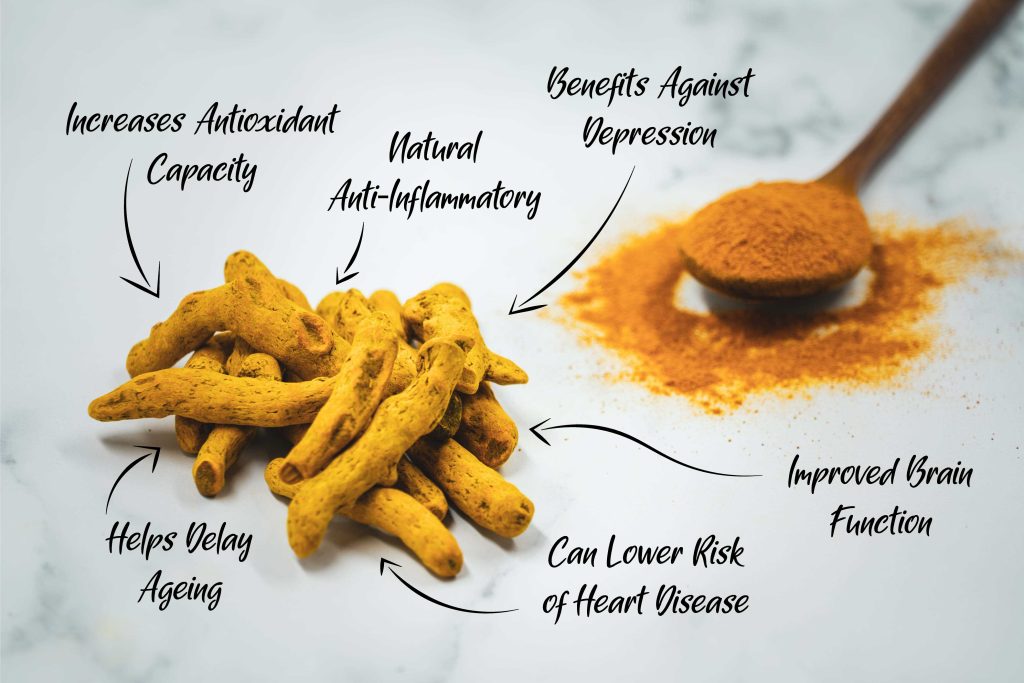
Stirring a spoonful of bright yellow spice into plain water and expecting overnight joint relief is the fastest way to waste money on herbal supplements. On its own, raw curcumin passes straight through your digestive tract with less than 3% reaching your bloodstream, while high-dose extracts can trigger acid reflux, gallbladder spasms, or dangerous blood-thinning interactions. Understanding the true turmeric benefits and side effects requires separating verified clinical pharmacology from kitchen folklore.
In this definitive field guide from HerbalHealthCare.pk, you will get exact daily dosages for whole root, culinary powder, and standardized 95% curcuminoid extracts, alongside the lipid-and-piperine pairing protocol that multiplies absorption by up to 2,000%. You will also learn how to screen store-bought turmeric for toxic lead chromate adulteration and identify the six medical conditions where turmeric does more harm than good.
What Are the Main Turmeric Benefits and Side Effects?
| FEATURED SNIPPET SUMMARY — TURMERIC BENEFITS & RISKS AT A GLANCEThe primary turmeric benefits and side effects center on its active compound, curcumin. Clinically proven benefits include reducing osteoarthritis joint pain, lowering inflammatory C-reactive protein (CRP), and easing exercise soreness when paired with black pepper. Common side effects above 4–6 grams daily include nausea, acid reflux, loose stools, and increased bleeding risk with anticoagulants. |
Essential Forms, Materials & Dosage Breakdown: Choosing the Right Turmeric
Walking down a spice aisle or browsing supplement bottles reveals five completely different ways to take *Curcuma longa*—each with radically different curcuminoid concentrations, street prices, and absorption profiles. Before you start a daily regimen, compare the exact specifications of every common form so you match the right grade to your health goal.
| Turmeric Form | Active Curcuminoid % | Effective Daily Dose | Est. Monthly Cost | Prep Skill |
| Fresh Whole Turmeric Root (Raw) | 2% – 3% natural curcuminoids | 10g – 15g sliced (approx. 1.5-inch piece) | $6 – $9 / month | Beginner |
| Organic Dried Turmeric Powder | 3% – 5% curcuminoids by weight | 1.5g – 3g daily (1/2 to 1 level tsp) | $5 – $8 / month | Beginner |
| Homemade Golden Paste (Lipid + Pepper) | 3% – 5% + 20x piperine boost | 1/2 tsp twice daily with warm meals | $8 – $12 / month | Intermediate |
| Standardized 95% Curcumin + BioPerine | 95% concentrated curcuminoids | 500mg – 1,000mg split into 2 doses | $18 – $28 / month | Beginner |
| Phytosome / Liposomal Curcumin (Meriva) | 18% – 20% phospholipid-bound | 500mg – 1,000mg once or twice daily | $32 – $45 / month | Beginner |
| 💡 Quick Hack: Skip Overpriced Capsules for Daily MaintenanceA $35 bottle of 95% curcumin capsules delivers roughly 30 grams of active curcuminoids. Buying a $7 bag of certified organic turmeric powder paired with $3 of whole black peppercorns and kitchen ghee gives you the same daily bio-active anti-inflammatory support at less than one-third the monthly cost—save phytosome capsules strictly for acute joint flare-ups. |
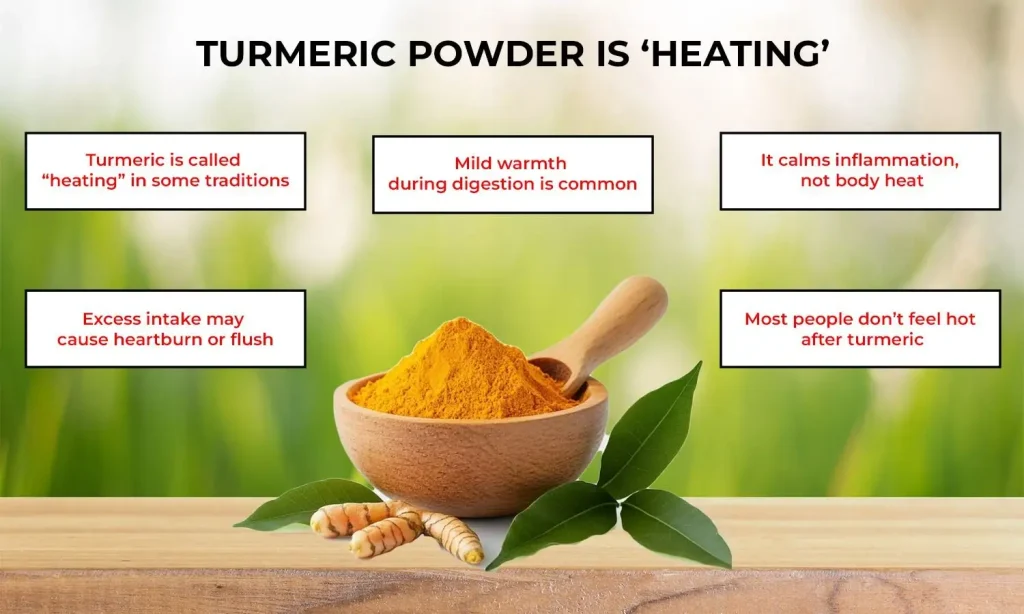
Step-by-Step Execution Guide: How to Source, Activate & Dose Turmeric Safely
Getting measurable results from turmeric benefits and side effects management comes down to how you source, heat, emulsify, and time your intake. Follow this four-phase kitchen and dosing protocol to maximize cellular uptake while keeping stomach irritation near zero.
Phase 1: Source Clean Root & Screen Out Heavy-Metal Adulteration
Turmeric is one of the most frequently adulterated spices in global supply chains. Unscrupulous processors sometimes dust dull, low-curcumin roots with industrial lead chromate to create an artificially vibrant yellow hue, or bulk up ground powders with chalk and yellow metanil dyes. According to FDA heavy metal and lead screening standards for spices, chronic exposure to lead-tainted spices poses severe neurological and renal risks.
· Buy Whole Dried Turmeric Fingers When Possible: Whole dried rhizomes (*sabut haldi*) are nearly impossible to bulk with cheap starches. Snap a finger in half—authentic high-curcumin root snaps crisply with a deep burnt-orange interior rather than pale chalky yellow.
· Run the Warm Water Sediment Test: Drop one level teaspoon of ground turmeric into a clear glass of warm water without stirring. Pure turmeric settles slowly to the bottom leaving clear pale-yellow water above; adulterated powder leaves cloudy white chalk streaks or neon chemical swirls.
· Demand Third-Party Lot Testing on Supplements: If buying capsules, verify USP, NSF, ConsumerLab, or Eurofins batch certificates confirming lead levels below 0.5 ppm and zero synthetic curcumin spiking.
Phase 2: Unlock 2,000% Bioavailability with Piperine & Healthy Lipids
Raw curcumin is hydrophobic (fat-soluble) and gets rapidly glucuronidated—marked for excretion—by your liver and intestinal wall within 30 minutes of swallowing. Landmark peer-reviewed piperine bioavailability clinical research proved that co-administering just 20mg of piperine (the active alkaloid in black pepper) inhibits hepatic glucuronidation and boosts serum curcumin concentration by 2,000%.
· Pair Every Dose with Freshly Cracked Black Pepper: Pre-ground pepper sitting in a shaker for a year loses volatile piperine oils. Grind whole black peppercorns fresh at a 10:1 ratio (roughly 1/4 teaspoon of black pepper per 2.5 teaspoons of turmeric).
· Emulsify in Dietary Fat: Curcumin dissolves directly into triglycerides and absorbs through intestinal lymphatic chylomicrons, bypassing first-pass liver breakdown. Always take turmeric alongside desi ghee, extra-virgin olive oil, coconut oil, avocado, or whole-fat yogurt.
· Apply Gentle Heat (7–10 Minutes Max): Simmering turmeric in water or milk for 7 to 10 minutes unfolds starch granules and improves solubility without destroying heat-sensitive volatile turmerones.
| Pro-Tip: Make a 14-Day Jar of Bio-Active Golden PasteSimmer 1/2 cup organic turmeric powder in 1 cup filtered water over low heat for 7 minutes until a thick paste forms. Remove from heat, let cool for 2 minutes, then whisk in 1/3 cup cold-pressed coconut oil (or ghee) and 1.5 teaspoons freshly ground black pepper. Store in a sealed glass jar in the refrigerator for up to 14 days and scoop 1/2 teaspoon into warm milk, curries, or scrambled eggs. |
Phase 3: Titrate Your Daily Dose Gradually Over 14 Days
Jumping straight to 3,000mg of standardized curcumin on day one is the primary reason people experience upper-abdominal burning and loose stools. As documented in the NIH National Center for Complementary and Integrative Health turmeric monograph, short-term clinical trials confirm safety up to 8 grams daily, yet gastrointestinal tolerance improves dramatically when you ramp up slowly.
· Days 1 to 4 (Tolerance Calibration): Take 1/4 teaspoon of golden paste (or 500mg standardized extract) once daily in the middle of your largest fat-containing meal. Monitor for reflux, bloating, or stool changes.
· Days 5 to 10 (Therapeutic Split Dosing): Increase to 1/2 teaspoon twice daily (breakfast and dinner), or 500mg standardized curcumin twice daily. Curcumin has a short plasma half-life of roughly 6 to 7 hours, so split morning-and-evening dosing maintains steady anti-inflammatory COX-2 and NF-κB modulation.
· Days 11+ (Evaluate & Hold): Assess morning knee stiffness, post-workout soreness, or digestive comfort at Day 14. Never exceed 3 grams of root powder or 1,500mg of standardized 95% extract daily without physician supervision.
Phase 4: Stack Complementary Botanicals for Targeted Relief
Turmeric rarely works in isolation inside traditional formularies—and modern clinical trials confirm why. Pairing curcuminoids with complementary bio-actives targets overlapping inflammatory pathways at lower, gentler doses:
· For Osteoarthritis & Joint Mobility: Combine 500mg standardized curcumin with evidence-based ginger benefits and daily dosage rules (1g dried ginger) or *Boswellia serrata* extract to block both COX-2 and 5-LOX inflammatory enzymes simultaneously.
· For Antioxidant & Metabolic Recovery: Pair morning golden milk with nutrient-dense moringa leaf benefits and safety guidelines to supply natural quercetin and vitamin C alongside curcuminoids.
5 Critical Mistakes That Sabotage Turmeric Benefits and Side Effects
Even health-conscious users routinely undermine turmeric benefits and side effects outcomes through preventable preparation and timing blunders. Watch out for these five errors:
· 1. Swallowing Turmeric Capsules on an Empty Stomach: Taking concentrated curcumin with black coffee or plain water before breakfast triggers intense gastric acid secretion, nausea, and esophageal reflux—while wasting over 90% of the dose due to missing dietary fats.
· 2. Boiling Turmeric Rapidly for 30+ Minutes: Prolonged high-heat boiling degrades delicate essential oils (*ar-turmerone*) that support neuroprotective and digestive action. Always add turmeric during the final 5 to 7 minutes of simmering.
· 3. Combining High-Dose Turmeric with Prescription Blood Thinners: Curcumin naturally inhibits platelet aggregation. Taking therapeutic turmeric doses alongside warfarin, clopidogrel (Plavix), apixaban (Eliquis), or daily aspirin significantly elevates bruising and bleeding risk.
· 4. Ignoring High Oxalate Load If You Form Kidney Stones: Culinary turmeric powder contains roughly 1,969mg of soluble oxalates per 100 grams (about 50mg per level teaspoon). People prone to calcium-oxalate kidney stones should avoid multi-gram raw powder regimens and consult a nephrologist.
· 5. Taking Turmeric Within 14 Days of Scheduled Surgery: Because curcumin slows blood clotting and alters platelet function, surgeons require stopping all concentrated turmeric supplements at least two weeks prior to dental extractions or elective operations.
| 💡 Quick Hack: Remove Stubborn Yellow Turmeric Stains in 60 SecondsSpilled golden paste on a white quartz countertop or favorite shirt? Do not use bleach—alkaline bleach turns curcumin bright brick-red permanently. Instead, make a paste of baking soda and lemon juice (or dish soap + hydrogen peroxide), scrub gently, and place stained fabric in direct sunlight for 30 minutes; UV rays naturally photodegrade curcumin pigments completely. |

Advanced Tips & Next-Level Hacks for Maximum Clinical Benefit
Once your baseline tolerance is established, apply these four clinical-grade optimizations to get superior results from turmeric benefits and side effects management:
· Time Your Evening Dose 90 Minutes Before Bed: Taking warm *haldi doodh* (turmeric simmered in milk or unsweetened almond milk with ghee, black pepper, and a pinch of cardamom) 90 minutes before sleep calms nocturnal inflammatory cytokines without triggering late-night reflux.
· Use Cyclical 8-Weeks-On / 2-Weeks-Off Protocols: When using high-potency 95% curcuminoid supplements for joint recovery, run an 8-week cycle followed by a 2-week culinary-only break to give hepatic cytochrome P450 enzymes a rest.
· Verify Drug Interactions Before Stacking: Curcumin and piperine both slow liver enzymes (CYP3A4 and CYP2C9) that metabolize common statins, blood pressure medications, and diabetes drugs. Review our complete herbal medication interaction checklist with your pharmacist before starting daily capsules.
· Use Fresh Grated Root for Gut Soothing: Freshly grated raw turmeric root contains higher ratios of soothing volatile turmerones and far lower oxalate density per serving than concentrated dried powders—ideal for sensitive stomachs.
| Pro-Tip: Protect Tooth Enamel When Drinking Turmeric TeaHot turmeric infusions and golden lattes can gradually tint composite dental bonding and porous enamel yellow. Drink turmeric beverages through a reusable glass or stainless-steel straw, then swish with plain water immediately afterward. |
Troubleshooting Side Effects & Long-Term Storage Guide
If you experience discomfort after starting a turmeric regimen, do not guess—match your symptom to the exact physiological trigger and fix in the diagnostic table below.
| Symptom / Reaction | Root Physiological Cause | Immediate Corrective Action |
| Acid reflux, heartburn, or upper stomach warmth | Turmeric stimulates gastrin and gastric acid, or piperine irritates mucosa | Cut dose by 50%, take strictly mid-meal with solid food, or switch to piperine-free phytosome curcumin. |
| Sharp right-side upper abdominal pain after dosing | Turmeric triggers gallbladder contraction (cholekinetic effect) against gallstones | Stop turmeric immediately and get an abdominal ultrasound to rule out bile duct obstruction. |
| Loose yellow stools or mild cramping | Unabsorbed curcumin drawing water into the colon above 4g/day | Drop intake back to 1g (1/2 tsp) daily for 5 days and ensure adequate soluble fiber. |
| Unusual gum bleeding or easy bruising | Additive antiplatelet effect with aspirin, NSAIDs, or anticoagulants | Discontinue supplement immediately and consult your prescribing physician for INR/coagulation check. |
| Fatigue or pale skin after months of high doses | Curcumin binds dietary non-heme iron in the gut (iron chelation) | Separate turmeric doses by at least 3 hours from iron-rich meals or iron supplements. |
Proper Storage to Preserve Active Curcuminoids
Curcuminoids and aromatic turmerones oxidize rapidly when exposed to kitchen heat, humidity, and fluorescent light. Follow these three storage rules so your supply retains full potency:
· Use Airtight Amber or Miron Violet Glass Jars: Never store turmeric in clear plastic bags or transparent spice jars sitting beside a sunny window—UV exposure degrades curcumin potency by up to 40% within two months.
· Keep Away from Stove Steam: Store jars in a cool, dark pantry cupboard rather than the spice rack directly above your stove range, where rising steam causes clumping and fungal mold growth.
· Freeze Fresh Root in 1-Inch Portions: Scrub whole fresh turmeric fingers, pat completely dry, and freeze in a vacuum-sealed bag for up to 6 months. Grate directly from frozen using a microplane—no thawing required.
| 💡 Quick Hack: Grind Whole Fingers in 2-Week Micro-BatchesBuy whole dried turmeric fingers in bulk, break them with a clean nutcracker, and blitz just two weeks’ worth at a time in a dedicated spice grinder. You lock in 100% of the volatile essential oils until the exact week you consume them. |
Frequently Asked Questions About Turmeric Benefits and Side Effects
1. What happens to your body when you take turmeric every day?
Taking 1g to 3g of bio-available turmeric daily with healthy fats and black pepper steadily lowers systemic inflammatory markers (CRP and IL-6), eases morning joint stiffness, supports post-exercise muscle recovery, and enhances bile flow for lipid digestion. Exceeding 6g daily, however, increases the risk of acid reflux, iron absorption interference, and loose stools.
2. Who should completely avoid turmeric supplements?
People with obstructive gallstones or bile duct blockages, individuals taking prescription blood thinners (warfarin, Eliquis, Plavix), patients with active bleeding disorders, people with severe iron-deficiency anemia, and pregnant women (who should avoid concentrated curcumin supplements above normal culinary amounts) must avoid therapeutic turmeric dosing.
3. Can high-dose turmeric supplements cause liver injury?
While culinary turmeric is liver-protective, rare cases of herb-induced liver injury (HILI) have been reported in 2024–2026 linked to ultra-high-dose bioavailability-enhanced curcumin capsules (often combined with high piperine) or contaminated products. Stick to 500mg–1,000mg daily of third-party tested extracts and stop immediately if you notice dark urine, right-side abdominal pain, or yellowing eyes.
4. Is fresh turmeric root better than turmeric powder?
Fresh turmeric root contains intact volatile oils (*turmerones*) and lower oxalate concentrations per serving, making it gentler for teas and smoothies. Dried powder concentrates curcuminoids by weight (3%–5% vs. 2%–3% in fresh root), making it more practical for standardized golden paste and cooking.
5. Does turmeric lower blood sugar or blood pressure?
Clinical trials show curcumin can modestly improve insulin sensitivity and fasting glucose in prediabetic adults. If you already take metformin, insulin, or antihypertensive drugs, monitor your blood glucose and blood pressure closely when starting turmeric to prevent additive drops.
6. How long does it take to feel turmeric benefits for joint pain?
Most clinical studies on knee osteoarthritis measure statistically significant reductions in WOMAC pain and stiffness scores after 4 to 8 weeks of consistent daily intake—turmeric acts as a gradual inflammatory modulator rather than an instant painkiller like ibuprofen.
Final Verdict: Making Turmeric Work Safely in Your Daily Routine
Mastering turmeric benefits and side effects comes down to respecting basic biochemistry: pair modest daily doses (1g–3g culinary powder or 500mg–1,000mg standardized extract) with freshly cracked black pepper and healthy fats, verify heavy-metal purity, and respect contraindications around blood thinners and gallstones. Done right, this ancient golden rhizome delivers dependable, science-backed joint and metabolic support without unnecessary side effects.
Explore more evidence-based botanical guides and dosage tables on HerbalHealthCare.pk to build a safer home apothecary. How do you take your daily turmeric—golden milk, raw root tea, or standardized capsules—and have you noticed a difference with black pepper? Share your experience in the comments below!