
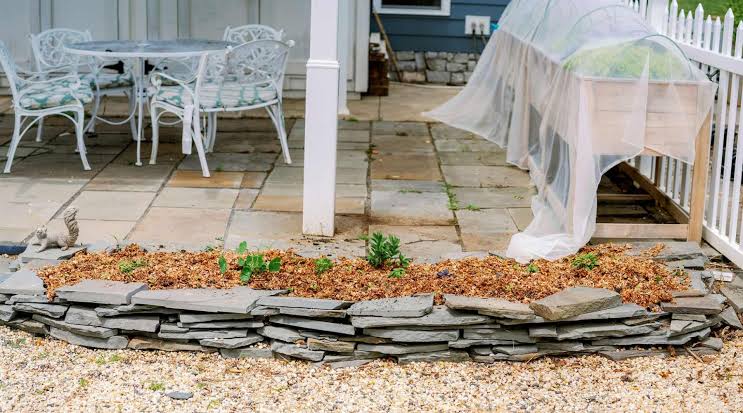
Paying $4 for a tiny plastic clamshell of supermarket basil only to watch it turn black and slimy in your fridge three days later is one of the most frustrating kitchen habits to break. Building a herb garden for beginners solves that waste permanently—giving you armfuls of fragrant, pesticide-free leaves steps from your stove for pennies per harvest.
You do not need a sprawling backyard, raised timber beds, or a green thumb to succeed. At HerbalHealthCare, we have helped thousands of home cooks and natural-wellness enthusiasts turn narrow balconies, sunny kitchen windowsills, and small patios into year-round apothecaries. Below is your complete, no-fluff blueprint covering tools, soil recipes, companion pot pairings, pruning rules, and organic pest fixes.
How Do You Start a Herb Garden for Beginners?
| FEATURED SNIPPET SUMMARY: 5-STEP BEGINNER HERB GARDEN FORMULATo start a herb garden for beginners, choose 4 to 6 forgiving starter plants (basil, mint, rosemary, chives, parsley, and thyme), plant them in 8-to-12-inch pots with drainage holes, fill with well-draining potting mix blended with 30% perlite, place in 6+ hours of daily sunlight, and water only when the top inch of soil feels dry. |
Essential Tools & Materials Breakdown: What You Actually Need
Garden centers love selling specialized gadgets you will use once and bury in a shed. As outlined in USDA container and raised bed gardening standards, healthy container plants rely on drainage, breathable media, and consistent light—not expensive hardware. Use the comparison table below to budget your entire herb garden for beginners under $55.
| Supply / Material | Recommended Specification | Estimated Cost | Where to Buy | Skill Level Required |
| Containers / Pots | 8″–12″ terracotta or fabric pots with open drainage holes | $12 – $24 (set of 4) | Local nursery / hardware store | Beginner (Zero prep) |
| Potting Mix (Base) | Peat-free or coco-coir organic container mix (never garden dirt) | $10 – $14 (20-qt bag) | Garden center / online | Beginner (Ready to pour) |
| Drainage Amendment | Coarse horticultural perlite or pumice (30% of total volume) | $6 – $9 (8-qt bag) | Nursery / hydroponic shop | Beginner (Hand-mix) |
| Starter Herb Plants | 4–6 healthy nursery transplants (basil, mint, rosemary, thyme) | $15 – 24(3–$4 each) | Local plant nursery / farmers mkt | Beginner (Instant harvest) |
| Pruning Micro-Snips | Bypass stainless-steel herb shears with fine pointed tips | $8 – $12 | Kitchen or garden shop | Beginner (Essential tool) |
| Watering Can | Long, narrow-spout watering can (1.5–2 liter capacity) | $9 – $14 | Home & garden store | Beginner (Targets soil base) |
| Organic Liquid Feed | Diluted seaweed / kelp or fish emulsion fertilizer (low nitrogen) | $10 – $13 | Organic garden center | Beginner (Every 3–4 weeks) |
| Pot Feet / Saucers | Cork saucers + 1″ risers so pots never sit in stagnant runoff | $6 – $10 | Hardware store | Beginner (Prevents rot) |
| 💡 Quick Hack #1: Buy Living Grocery Store Herb Pots—Then Divide ThemInstead of buying a single $4 nursery pot containing one stem, grab a $3.50 ‘living basil’ or ‘living mint’ pot from the supermarket produce aisle. Each grocery pot actually packs 12 to 20 overcrowded seedlings. Gently tease the root ball apart in a bowl of water and pot them into 4 separate containers—instantly quadrupling your herb garden for beginners for under four bucks. |
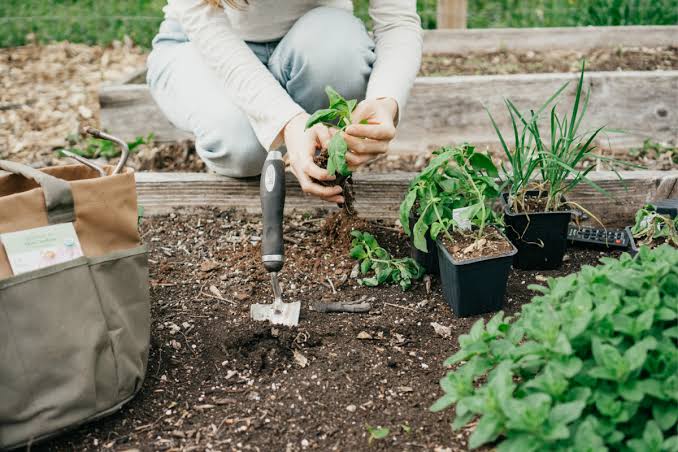
Step-by-Step Execution Guide: Building Your First Herb Garden
Follow these five sequential phases in a single Saturday afternoon to plant a high-yielding herb garden for beginners that thrives indoors or outdoors.
Phase 1: Audit Your Sunlight & Microclimate Before Buying Plants
Sunlight is the fuel that synthesizes aromatic essential oils inside herb leaves. According to Royal Horticultural Society guidelines on growing and harvesting herbs, most culinary and medicinal herbs need at least 6 hours of direct, unobstructed sun daily—otherwise stems stretch tall, pale, and flavorless.
· 1. Run a 1-Day Sun-Tracking Check: Set hourly phone alarms from 8:00 AM to 5:00 PM and note when direct sunbeams hit your balcony railing, patio floor, or windowsill. South- and west-facing exposures deliver the strongest afternoon light.
· 2. Match Plants to Low-Light Corners (3–4 Hours Sun): If your apartment only gets morning or dappled light, skip rosemary and lavender and plant shade-tolerant winners: peppermint, spearmint, lemon balm, chives, flat-leaf parsley, and cilantro.
· 3. Add a $22 Full-Spectrum LED Clip Light for Dark Kitchens: If growing on an interior kitchen counter, position a 20W–30W full-spectrum LED grow bulb 8 to 10 inches above the canopy on a 14-hour smart plug timer.
Phase 2: Mix Fast-Draining Soil & Prep Your Containers
Never scoop dirt straight out of your yard into a pot—heavy garden clay compacts into concrete, suffocating delicate herb roots. The secret to a resilient herb garden for beginners is an airy, fast-draining container blend.
· 1. Choose the Right Container Material: Unglazed terracotta clay pots breathe through their walls and wick excess moisture away from Mediterranean herbs like rosemary and thyme. Glazed ceramic or food-grade plastic pots hold moisture longer, making them ideal for thirsty basil and parsley in hot climates.
· 2. Blend the 70/30 Potting Recipe: In a bucket or tub, mix 7 parts high-quality organic potting mix with 3 parts coarse perlite or horticultural grit. Aim for a neutral-to-slightly-acidic soil pH around 6.5.
· 3. Skip the Gravel Layer Myth at the Bottom: Do not line the bottom of your pot with rocks—research proves gravel creates a ‘perched water table’ that actually pushes soggy water closer to roots. Instead, place a single square of window screen or coffee filter over the drainage hole so soil stays in while water flows freely out.
Phase 3: Group Compatible Herbs by Watering Needs
If you want to plant multiple varieties in a wide trough or balcony planter, follow University Extension container herb grouping and drainage research and group plants strictly by moisture appetite:
· Group A — The Dry-Loving Mediterranean Trio (Rosemary + Thyme + Oregano): These woody perennials crave gritty soil that dries out completely between waterings. Combining them in one 14-inch terracotta bowl creates an instant roast-meat and soup seasoning station.
· Group B — The Moisture-Loving Culinary Trio (Sweet Basil + Flat-Leaf Parsley + Chives): All three prefer rich, evenly damp soil and frequent harvesting. Keep them in a shared window box near your stove.
· Group C — The Solo Tea & Remedy Pots (Peppermint, Lemon Balm, Chamomile): Mint and lemon balm send aggressive underground runners that strangle neighboring roots within weeks. Always give them dedicated solo pots—perfect for harvesting fresh herbal tea recipes and soothing medicinal infusions.
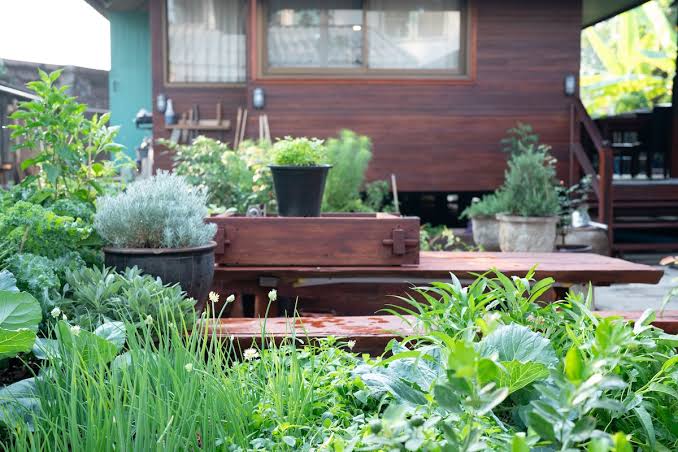
Phase 4: Transplant Without Shocking Delicate Roots
· 1. Pre-Moisten Your Soil Mix: Dampen the 70/30 potting blend before filling your containers so it feels like a wrung-out sponge—never bone dry.
· 2. Tickle Root-Bound Nursery Plugs: Slide each starter plant out of its nursery cup by squeezing the sides gently. If white roots are circling tightly at the bottom, tease them outward with your fingers so they grow into the fresh potting mix rather than continuing in circles.
· 3. Match Original Soil Depth & Water Deeply: Set the top of the root ball flush with the new soil surface (leaving a 1-inch watering lip below the pot rim), firm gently, and water slowly until clear runoff exits the bottom drainage holes.
| 💡 Quick Hack #2: The ‘Finger-Knuckle’ Watering RuleForget watering on a rigid calendar schedule. Push your index finger into the potting mix up to your second knuckle (about 1.5–2 inches deep). If the soil feels cool and damp on your fingertip, walk away. Only water when that top layer feels dry—and always water at the soil base rather than drenching leaves at night. |
Master the ‘Pinch-Above-the-Node’ Harvest Technique
The biggest secret in any herb garden for beginners is counterintuitive: the more frequently you harvest properly, the bushier and more productive your plants become.
· 1. Cut 1/4 Inch Above a Leaf Node: Look down a basil or mint stem until you spot a pair of small side leaves sprouting from the main stalk. Snip just above that junction—the plant will split into two new branches from that exact spot.
· 2. Never Strip More Than One-Third at Once: Leave at least two-thirds of the foliage intact so the plant retains enough solar panels to photosynthesize and rebound rapidly.
· 3. Pinch Flower Buds the Moment They Appear: Once basil, cilantro, or mint forms flower buds (‘bolting’), the plant shifts energy into seed production and turns leaves bitter. Pinch flower tips off immediately to extend leaf harvests by months.
5 Common Mistakes That Kill a Beginner Herb Garden (And How to Avoid Them)
Most first-time growers assume they lack a green thumb when a potted plant wilts, yet 95% of failures in a herb garden for beginners come down to five preventable habits:
· Mistake 1: Overwatering Out of Affection. More potted herbs die from drowning than drought. When roots sit in waterlogged soil, oxygen vanishes and fungal root rot sets in—causing leaves to turn yellow and droop in a way that looks deceptively like thirst.
· Mistake 2: Planting Mint in a Shared Bed or Planter. Spearmint and peppermint spread via aggressive rhizomes that choke out basil, parsley, and thyme within a single season. Keep mint strictly isolated in its own pot.
· Mistake 3: Heavy Synthetic Nitrogen Fertilizing. Dumping high-nitrogen Miracle-Gro onto herbs forces rapid, watery leaf growth while diluting the concentrated essential oils that create aroma and medicinal potency. Feed lightly once a month with diluted organic kelp or compost tea.
· Mistake 4: Starting Finicky Rosemary or Lavender from Seed. While basil, cilantro, and dill sprout from seed in 7 days, rosemary and lavender seeds take 3 to 4 weeks with low germination rates. Buy healthy $3 nursery starter plants for woody perennials.
· Mistake 5: Letting Saucers Hold Stagnant Runoff Water. Leaving pots sitting in a saucer full of drained water wicks moisture right back up into the roots. Empty saucers 15 minutes after watering or elevate containers on 1-inch pot feet.
Next-Level Hacks: Scaling Your Harvest & Year-Round Flavor
Once your starter pots are thriving, deploy these three insider upgrades to turn a simple herb garden for beginners into a year-round culinary and wellness powerhouse:
| 💡 Quick Hack #3: Succession-Sow Cilantro & Dill Every 14 DaysCilantro and dill naturally bolt quickly in warm weather. Keep a $2 seed packet by your pots and sprinkle 10 to 15 fresh seeds into a small 6-inch pot every two weeks. As your first pot finishes, your second and third waves hit peak baby-leaf tenderness. |
| 💡 Quick Hack #4: Freeze Tender Basil & Parsley in Olive Oil Ice CubesDelicate leafy herbs lose 70% of their aroma when oven-dried. Instead, finely chop surplus basil, cilantro, or parsley, pack the leaves two-thirds full into a silicone ice cube tray, top with extra-virgin olive oil, and freeze—dropping ready-to-sizzle flavor bombs straight into hot skillets all winter. |
| 💡 Quick Hack #5: Air-Dry Woody Medicinal Stems in Paper-Bag BundlesTie 6 to 8 sprigs of rosemary, thyme, oregano, or peppermint together with twine and hang them upside down inside a ventilated brown paper lunch bag for 10 days. The paper bag blocks UV light (preserving vibrant green color and essential oils) while catching falling leaves cleanly for drying, storing, and preserving organic medicinal herbs at home. |
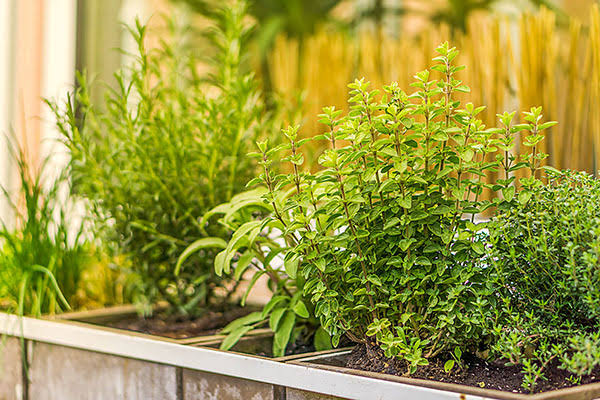
Troubleshooting & Year-Round Maintenance Guide
Inspect your plants for 60 seconds every morning while making tea or coffee. Early diagnosis keeps any herb garden for beginners pest-free without harsh chemical sprays:
· Symptom 1: Yellowing Lower Leaves & Mushy Stems. Cause: Overwatering or blocked drainage holes. Fix: Clear drainage holes with a chopstick, withhold water until the top 2 inches dry out, and prune away damaged yellow leaves to improve airflow.
· Symptom 2: Tall, Pale, ‘Leggy’ Stems Falling Over. Cause: Insufficient sunlight. Fix: Move pots to a brighter south/west exposure or add a clip-on LED grow light, then cut leggy stems back by half above healthy lower leaf nodes.
· Symptom 3: Tiny Green Aphids or Sticky Residue on New Tips. Cause: Sap-sucking aphids or whiteflies attracted to tender shoots. Fix: Take the pot to the sink and blast leaf undersides with a firm stream of lukewarm water, then mist with a food-safe mix of 1 teaspoon cold-pressed neem oil + 1/2 teaspoon mild liquid castile soap in 1 quart of water.
· Symptom 4: White Powdery Coating on Sage, Mint, or Rosemary Leaves. Cause: Powdery mildew from stagnant, humid air. Fix: Space pots 4 to 6 inches apart for cross-breeze circulation, prune crowded inner stems, and water strictly in the morning.
Frequently Asked Questions About Growing Herbs for Beginners
1. What are the 5 easiest herbs to grow for complete beginners?
Sweet basil, peppermint, chives, flat-leaf parsley, and thyme are the five easiest herbs for beginners. They adapt rapidly to 8-to-12-inch containers, tolerate minor temperature swings, and regrow fast after scissor harvesting.
2. Can I grow a successful herb garden indoors on a windowsill?
Yes—a bright south- or west-facing windowsill receiving at least 5 to 6 hours of direct sunlight easily supports basil, chives, mint, oregano, and parsley. Rotate pots a quarter-turn every three days so stems grow straight instead of leaning toward the glass.
3. How often should I water potted herbs?
There is no single fixed schedule because terracotta pots in hot summer sun dry out daily while indoor plastic pots may only need water every 4 to 5 days. Always test the soil 1.5 inches deep with your finger and water thoroughly whenever it feels dry.
4. Should I start my first herb garden from seeds or nursery starter plants?
Start fast-germinating annuals like basil, cilantro, and dill from seeds to save money, but buy established nursery starter plants for slow-growing perennials like rosemary, thyme, sage, and oregano so you can harvest immediately.
5. How do I keep my outdoor potted herbs alive through winter?
Hardy perennials like thyme, chives, sage, and mint survive cold winters outdoors if pots are sheltered against a wall and mulched. Move frost-tender rosemary indoors to a sunny window before temperatures drop below 25°F (-4°C), and harvest basil completely before the first frost.
6. How much space and money do I need to start a herb garden for beginners?
You can launch a productive herb garden for beginners on just 2 square feet of balcony railing or windowsill space for $35 to $55 total—covering four drainage pots, a bag of well-draining potting mix with perlite, herb snips, and four to six starter plants.
Final Verdict: Start Small, Harvest Often, and Enjoy Fresh Flavor Daily
Building a thriving herb garden for beginners does not require complicated gear or acres of land—just four well-draining containers, an airy 70/30 potting mix, six hours of daily light, and the confidence to pinch your stems regularly. Start with four culinary or medicinal favorites this weekend, and you will never waste money on wilted grocery-store clamshells again.
Ready to turn your fresh homegrown leaves into soothing teas, culinary infusions, and natural wellness remedies? Explore our complete library of HerbalHealthCare guides on antioxidant-rich medicinal herbs for evidence-backed recipes and daily wellness protocols.
| JOIN THE CONVERSATION IN THE COMMENTS BELOWWhich 3 herbs are going into your very first pots—and are you growing on a sunny balcony, patio, or kitchen windowsill? Drop your setup in the comments below and let’s troubleshoot any growing questions together! |