
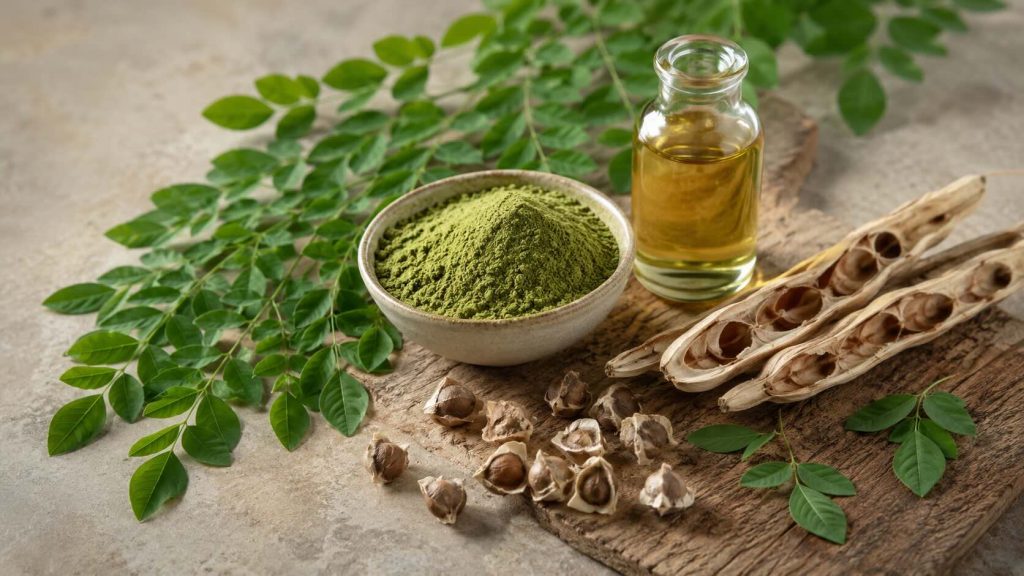
Eating healthy does not always mean buying expensive supplements, complicated wellness products, or imported superfoods. Sometimes, a simple leafy plant can provide valuable nutrients that support a balanced diet. Moringa is one such plant, and its growing popularity has made it a familiar ingredient in health-conscious kitchens around the world.
The moringa benefits attracting attention come mainly from its nutritional content, including vitamins, minerals, plant compounds, and antioxidants. Known scientifically as Moringa oleifera, this plant has been used as food and in traditional wellness practices for generations.
However, popularity does not automatically mean every health claim is scientifically proven. Some potential advantages are supported by nutritional research, while others still require larger and better-designed human studies.
This guide explores ten potential advantages, the nutrients behind them, how to prepare moringa, how to choose a good-quality powder, and the precautions worth understanding before adding it to your routine.
Image suggestions: Fresh moringa leaves, dried leaf powder, and moringa pods.
What Are the Benefits of Moringa?
Moringa is a nutrient-rich plant whose edible leaves contain protein, dietary fiber, minerals, vitamins, and antioxidant plant compounds. It can contribute to a varied diet, but evidence that supplements prevent or treat specific diseases remains limited. Its safest everyday use is as a food ingredient rather than a replacement for medicine.
Understanding Moringa: The Plant Behind the Superfood
Moringa oleifera is a fast-growing tree native to the Indian subcontinent. It is now cultivated in many tropical and subtropical regions, including parts of Asia and Africa.
The plant is sometimes called the drumstick tree because of its long, narrow seed pods. Other names include the horseradish tree and ben oil tree.
Different parts of the plant have different culinary uses:
- Leaves: Cooked as vegetables, added to soups, or dried and powdered.
- Pods: Used in curries, stews, and vegetable dishes.
- Flowers: Occasionally prepared as a food ingredient.
- Seeds: Used for certain food and oil applications.
- Roots and bark: Used in some traditional practices, but these are not recommended as casual dietary supplements.
For everyday nutrition, moringa leaves are generally the most practical part to use.
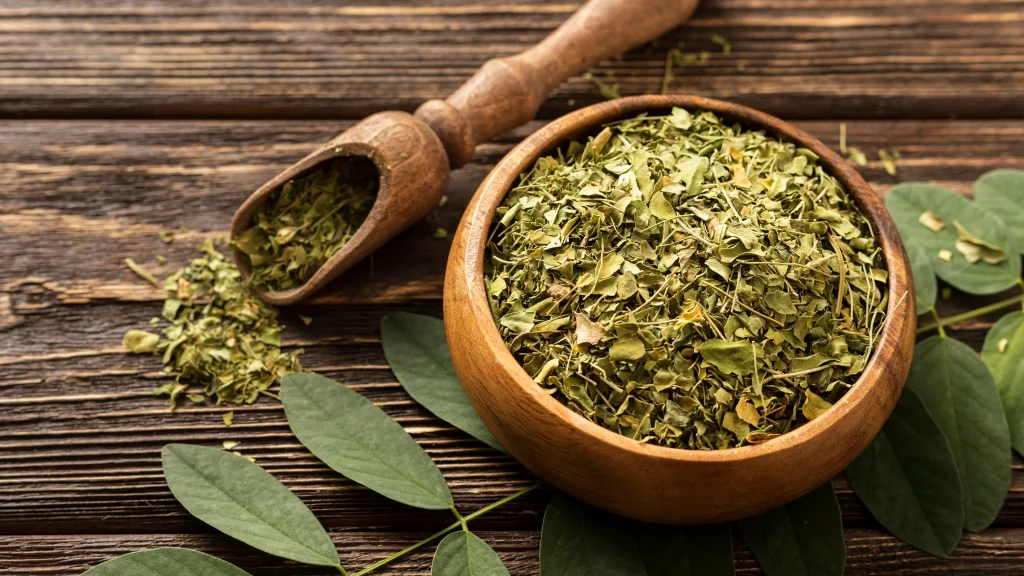
Why are moringa leaves so popular?
The leaves contain a combination of nutrients and plant compounds that makes them interesting from a nutritional perspective.
Depending on the growing conditions, harvesting stage, and processing method, dried moringa leaves can contain concentrated amounts of:
- Plant protein
- Dietary fiber
- Calcium
- Potassium
- Iron
- Magnesium
- Beta-carotene
- Certain B vitamins
- Vitamin C, although drying and storage can reduce its content
- Polyphenols and flavonoids
The nutritional composition varies considerably between fresh leaves and dried powder. A tablespoon of powder is not nutritionally equivalent to a large serving of fresh leaves.
Part 3: Nutritional value of moringa
One reason moringa has attracted attention is its nutritional density. Its leaves provide several nutrients that contribute to normal body functions, making them a useful addition to meals.
Key nutrients found in moringa leaves
| Nutrient | Role in the body |
| Vitamin A precursors | Support normal vision and immune function |
| Vitamin C | Supports collagen production and antioxidant protection |
| Calcium | Helps maintain bones and teeth |
| Potassium | Supports normal muscle and nerve function |
| Iron | Helps produce hemoglobin |
| Magnesium | Participates in hundreds of enzyme reactions |
| Plant protein | Supplies amino acids for body tissues |
| Dietary fiber | Supports digestion and bowel regularity |
| Polyphenols | Plant compounds with antioxidant activity |
| Flavonoids | Plant compounds studied for antioxidant properties |
Important: Nutrient concentrations differ between fresh leaves, dried leaves, and commercial powders. Processing, storage, soil conditions, and laboratory methods also affect the results. Do not assume every moringa powder provides the same nutritional value.
Fresh leaves versus moringa powder
Both forms can fit into a healthy diet, but they serve slightly different purposes.
| Feature | Fresh moringa leaves | Dried moringa powder |
| Preparation | Requires washing and cooking | Ready to mix |
| Water content | High | Low |
| Storage | Refrigeration | Airtight container |
| Flavor | Mild, leafy, slightly earthy | More concentrated and earthy |
| Convenience | Best for cooking | Best for smoothies and drinks |
| Nutrient concentration by weight | Lower because of water | Higher because of drying |
Moringa Nutrients Guide: 90+ Vitamins, Minerals & Antioxidants Explained – Miracle Tree
Caption: Fresh leaves are convenient for cooking, while dried powder offers a concentrated and easy-to-store alternative.
Pro-Tip: If you have access to a fresh moringa tree, use clean, young leaves for cooking. If you prefer powder, choose a product with clear ingredient information and a sealed package.
Part 4: 10 potential moringa benefits for everyday health
The following advantages explain why researchers and nutrition professionals have taken an interest in this plant. They distinguish established nutritional functions from possible effects that still need stronger clinical evidence.
1. Provides antioxidants that help protect cells
Your body naturally produces unstable molecules called free radicals. These molecules are part of normal biological processes, but excessive oxidative stress can damage cells and contribute to several chronic disease processes.
Moringa leaves contain plant compounds such as quercetin, chlorogenic acid, and other polyphenols. These compounds have demonstrated antioxidant activity in laboratory research.
Antioxidants help neutralize certain reactive molecules and contribute to the body’s defense systems.
How this may help:
- Supports dietary intake of antioxidant plant compounds.
- Adds variety to a diet rich in vegetables and fruits.
- Provides polyphenols that researchers continue to investigate.
- Contributes to overall dietary quality.
However, laboratory antioxidant activity does not prove that eating moringa prevents cancer, heart disease, or aging.
💡 Quick Hack: Add a small amount of moringa powder to a vegetable soup or lentil dish. Combining it with other colorful vegetables provides a wider variety of plant compounds.
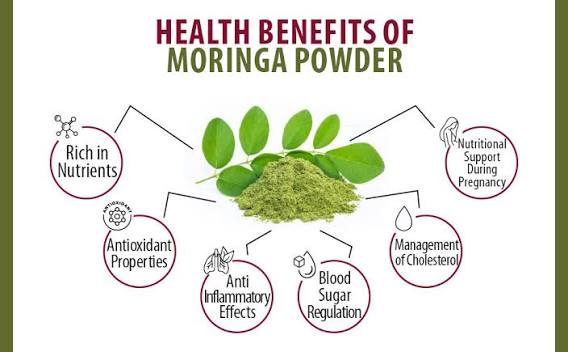
2. Supports normal immune system function
The immune system depends on several nutrients to operate properly. Vitamins, minerals, protein, and adequate energy all contribute to maintaining normal immune responses.
Moringa leaves contain nutrients associated with immune function, including beta-carotene, vitamin C, and certain minerals.
Vitamin C contributes to normal immune function and helps protect cells from oxidative damage. Beta-carotene can be converted into vitamin A, which is important for maintaining healthy immune barriers.
Why this matters:
- Vitamin A supports the health of skin and mucous membranes.
- Vitamin C contributes to normal immune cell activity.
- Protein supplies amino acids used in immune-related processes.
- Minerals help enzymes involved in normal physiological functions.
Moringa should not be described as an immune booster that prevents infections. Its role is better understood as part of a varied diet that supplies essential nutrients.
Practical tip: Include moringa alongside foods such as citrus fruits, tomatoes, carrots, beans, eggs, and leafy vegetables.
3. May support healthy blood sugar management
Blood glucose regulation is essential for maintaining metabolic health. Research has investigated whether moringa leaf compounds influence glucose absorption, insulin activity, and carbohydrate metabolism.
Some laboratory and animal studies suggest that compounds in moringa may affect enzymes involved in carbohydrate digestion.
A limited number of human studies have also explored its possible effects on blood glucose. However, the results are not sufficiently consistent to recommend moringa as a diabetes treatment.
Potential areas of interest include:
- Glucose metabolism
- Carbohydrate digestion
- Insulin-related pathways
- Oxidative stress associated with metabolic conditions
People living with diabetes should be particularly careful with concentrated moringa supplements.
Combining supplements with prescribed glucose-lowering medicines without medical advice could create unpredictable effects.
💡 Quick Hack: Instead of relying on moringa powder to control blood sugar, add a small amount to a balanced meal containing vegetables, protein, and high-fiber carbohydrates. The overall meal pattern matters much more than one ingredient.
4. May contribute to cardiovascular wellness
Heart health depends on multiple factors, including blood pressure, cholesterol levels, physical activity, sleep, smoking habits, and dietary quality.
Moringa contains potassium and plant antioxidants that make it an interesting food for cardiovascular nutrition.
Potassium contributes to normal muscle function and helps maintain normal blood pressure when consumed as part of an appropriate diet.
Researchers have also examined whether moringa extracts influence lipid metabolism and blood vessel function.
However, human evidence is still limited.
A 2025 meta-analysis of randomized trials found no consistent improvements across most cardiometabolic outcomes. A possible reduction in diastolic blood pressure was observed, but the evidence was rated very low in certainty.
What you can reasonably take away:
- Moringa can contribute nutrients to a heart-conscious eating pattern.
- Its plant compounds are scientifically interesting.
- It is not a substitute for blood pressure medication.
- It cannot replace exercise, a balanced diet, or medical monitoring.
Pro-Tip: Combine leafy vegetables with beans, whole grains, nuts, and unsaturated fats rather than treating one superfood as a complete heart-health solution.
5. Provides nutrients that support bone health
Bones require more than calcium alone. They depend on several nutrients, including vitamin D, vitamin K, magnesium, phosphorus, and protein.
Moringa leaves contain calcium, magnesium, phosphorus, and small amounts of other nutrients involved in normal bone function.
Calcium is required for maintaining bones and teeth. Magnesium participates in bone mineral metabolism, while phosphorus is a major component of bone structure.
How moringa fits into bone nutrition:
- Contributes dietary calcium.
- Supplies magnesium and phosphorus.
- Adds plant-based nutrients to meals.
- Can complement other calcium-containing foods.
It is important not to assume that moringa powder alone can prevent osteoporosis or repair weakened bones.
For stronger bones, include a balanced combination of dairy or fortified alternatives, legumes, vegetables, adequate protein, and appropriate physical activity.
6. Supports normal digestive function
Digestive health is influenced by fiber intake, hydration, gut bacteria, food variety, and regular physical activity.
Fresh moringa leaves contain dietary fiber, while dried leaf powder generally provides more fiber per gram because much of the water has been removed.
Dietary fiber contributes to normal bowel function and can support digestive regularity.
Adding leafy vegetables to meals also increases dietary variety.
Practical ways to use moringa for digestive nutrition:
- Add cooked leaves to lentil soup.
- Mix a small amount of powder into vegetable smoothies.
- Include fresh leaves in vegetable curries.
- Combine moringa with beans and whole grains.
People who suddenly increase their fiber intake may experience bloating or gas.
Start with small food portions and increase gradually while drinking enough water.
💡 Quick Hack: Mix moringa powder into yogurt with cucumber and mint. This creates a simple savory side dish without requiring an expensive supplement drink.
7. Provides plant-based nutrients that support energy metabolism
Feeling tired does not always mean the body needs a supplement. Poor sleep, inadequate food intake, dehydration, anemia, thyroid conditions, and stress can all contribute to low energy.
Moringa contains several nutrients involved in normal energy metabolism.
B vitamins participate in converting carbohydrates, fats, and proteins into usable energy. Iron contributes to hemoglobin production, which carries oxygen through the bloodstream.
Magnesium is involved in many enzymatic reactions that support cellular energy production.
The practical value:
- Adds nutrients associated with normal metabolism.
- Provides plant-based protein.
- Contributes dietary minerals.
- Can improve the nutritional variety of everyday meals.
Moringa is not a stimulant and should not be expected to provide an immediate energy boost like caffeine.
If tiredness continues despite adequate rest and food, investigate the underlying cause rather than increasing supplement intake.
8. Contributes plant protein to a balanced diet
Protein is necessary for maintaining muscles, producing enzymes, supporting immune functions, and repairing body tissues.
Dried moringa leaves contain more protein per 100 grams than fresh leaves because the drying process removes much of the water.
Nevertheless, a normal serving of moringa powder is relatively small, so it should not be treated as a major protein source.
People who may appreciate this nutritional feature include:
- Adults following plant-focused diets.
- People looking to diversify vegetable intake.
- Individuals who enjoy adding greens to smoothies.
- Home cooks preparing nutrient-rich meals.
For meaningful protein intake, combine moringa with foods such as lentils, chickpeas, beans, soy products, eggs, dairy, fish, or meat.
Pro-Tip: Add moringa powder to chickpea flour batter when preparing savory pancakes. This increases vegetable variety without significantly changing your cooking routine.
9. Supplies plant compounds being studied for inflammation-related processes
Inflammation is a normal part of the body’s response to injury and infection. Problems can arise when inflammatory activity becomes excessive or persists for long periods.
Moringa contains polyphenols and flavonoids that have been investigated for their effects on inflammatory pathways.
Laboratory studies suggest that certain compounds may influence biological signaling associated with inflammation.
Animal studies have also explored these properties.
However, laboratory findings cannot establish that consuming moringa treats arthritis, autoimmune conditions, or other inflammatory diseases.
A realistic approach:
- Use moringa as one component of a vegetable-rich diet.
- Include other sources of polyphenols, such as berries and colorful vegetables.
- Maintain regular physical activity.
- Follow medical advice for diagnosed inflammatory conditions.
💡 Quick Hack: Use moringa in homemade vegetable soup instead of purchasing products marketed as anti-inflammatory detox drinks.
10. Helps increase the variety of nutrient-rich foods in your diet
One of the most practical advantages of moringa is its versatility.
A healthy diet benefits from including different vegetables, legumes, fruits, whole grains, and protein sources. Moringa offers another way to increase the variety of leafy vegetables consumed throughout the week.
It can be used in traditional meals or modern recipes without requiring complicated preparation.
Easy ways to include it:
- Stir fresh leaves into lentil curry.
- Add powdered leaves to smoothies.
- Mix leaves into omelets.
- Prepare a simple moringa soup.
- Sprinkle a little powder over cooked vegetables.
- Add young leaves to savory pancakes.
This practical use is more meaningful than expecting one plant to replace an entire healthy eating pattern.
Part 5: Essential tools and ingredients for using moringa
You do not need expensive equipment or complicated ingredients to incorporate moringa into your meals. A few basic kitchen supplies are enough.
Tools and materials breakdown
| Item | Purpose | Estimated cost in Pakistan | Skill level |
| Fresh moringa leaves | Cooking and food preparation | PKR 50–150 | Beginner |
| Moringa leaf powder | Smoothies and drinks | PKR 300–1,000 | Beginner |
| Measuring teaspoon | Portion control | PKR 100–250 | Beginner |
| Small airtight jar | Storage | PKR 150–400 | Beginner |
| Fine kitchen strainer | Washing and draining leaves | PKR 150–350 | Beginner |
| Blender | Smoothies and drinks | PKR 3,000–10,000 | Beginner |
| Cooking pot | Soups and curries | PKR 800–2,000 | Beginner |
| Clean glass container | Storing prepared drinks | PKR 150–400 | Beginner |
Estimated retail ranges are illustrative, not verified current market quotations. Actual prices vary by brand, quality, location, and season.
How to choose good-quality moringa powder
Not every product sold as a superfood has the same quality. Processing, harvesting, drying, packaging, and storage all influence the final product.
Use the following checklist when purchasing:
- Check the ingredients: Prefer products listing 100% moringa leaf powder without unnecessary fillers.
- Examine the packaging: Choose sealed, moisture-resistant packaging.
- Check the manufacturing information: Look for the manufacturer, batch number, and expiry date.
- Review quality testing: Prefer brands that provide independent testing for heavy metals and microbial contamination.
- Inspect the appearance: The powder should have a natural green appearance, although color alone cannot establish purity.
- Check the smell: A fresh, mildly earthy aroma is generally preferable to a musty or rancid smell.
- Avoid exaggerated claims: Be cautious of products promising rapid weight loss, diabetes reversal, or disease cures.
Pro-Tip: Buying a smaller pack first is a sensible way to test freshness, taste, and packaging quality before purchasing a larger quantity.
Part 6: How to use moringa powder step by step
Moringa powder is convenient because it can be mixed into foods and drinks. The best approach is to introduce it gradually rather than immediately consuming large quantities.
Step 1: Start with a small amount
If you are a healthy adult and have no relevant medical concerns, begin with a small culinary serving, such as approximately ¼ teaspoon mixed into food.
There is no universally established therapeutic daily dose.
Supplement manufacturers may recommend different amounts, but these recommendations should not be mistaken for medically proven dosage guidelines.
Step 2: Choose your preferred preparation
You can use moringa powder in several ways.
How to Add Moringa Powder to Smoothies Without Clumping – Miracle Tree
Caption: Moringa powder can be blended into a fruit smoothie for a convenient way to include leafy greens.
Option A: Moringa smoothie
Ingredients:
- 1 glass of milk or unsweetened plant milk
- ½ banana
- ¼ teaspoon moringa powder
- 2 tablespoons plain yogurt
- A few ice cubes
Preparation:
- Add the milk to a blender.
- Add banana and yogurt.
- Include the moringa powder.
- Blend until smooth.
- Taste and adjust the ingredients.
- Drink immediately.
Option B: Moringa tea
Caption: A simple herbal drink made with moringa leaves and warm water.
Ingredients:
- 1 teaspoon dried moringa leaves, or a small amount of food-grade moringa powder
- 1 cup hot water
- A little lemon, if desired
Preparation:
- Heat water until hot.
- Add dried leaves or powder.
- Allow the leaves to steep for approximately 5–7 minutes.
- Strain if using loose leaves.
- Add lemon if preferred.
- Allow the drink to cool to a comfortable temperature.
Option C: Moringa vegetable curry
ஹெல்த்தி… டேஸ்ட்டி… முருங்கைக் கீரை சாம்பார் சிம்பிள் செய்முறை!
Caption: Fresh moringa leaves can be incorporated into traditional vegetable dishes and curries.
Ingredients:
- 1 cup cleaned fresh moringa leaves
- 1 small onion
- 1 tomato
- 1 teaspoon cooking oil
- Garlic and ginger
- Salt and spices to taste
Preparation:
- Wash the leaves thoroughly under clean running water.
- Remove tough stems.
- Heat oil in a cooking pot.
- Add onion, garlic, and ginger.
- Cook until the onion softens.
- Add tomato and spices.
- Add the moringa leaves.
- Cook until tender.
- Serve with roti or rice.
This is a practical way to use moringa as an ordinary vegetable rather than relying on concentrated supplements.
Step 3: Observe how your body responds
After introducing moringa, pay attention to:
- Digestive discomfort
- Bloating
- Changes in bowel habits
- Skin irritation
- Any unusual allergic symptoms
Stop consuming it if you experience a suspected reaction.
Step 4: Store it properly
Keep powdered moringa in a tightly sealed container away from moisture, sunlight, and heat.
Avoid storing the powder next to a stove or in a humid area. Always use a clean, dry spoon.
Part 7: Common mistakes to avoid
Even natural foods can be used incorrectly. These five mistakes are particularly important for beginners.
Mistake 1: Assuming more moringa means better results
Taking large quantities does not guarantee additional health advantages.
Concentrated supplements may expose you to higher levels of plant compounds than ordinary food servings.
How to avoid it: Begin with a small culinary amount and follow professional guidance if you intend to use concentrated supplements.
Mistake 2: Treating moringa as a medicine
Moringa is frequently promoted online as a cure for diabetes, high blood pressure, inflammation, and other conditions.
These claims go beyond the available clinical evidence.
How to avoid it: Use moringa as food, not as a substitute for prescribed treatment.
Mistake 3: Purchasing low-quality powder
Poor storage, inadequate processing, or contaminated raw materials can compromise product quality.
How to avoid it: Purchase sealed products from reputable manufacturers with traceable batches and appropriate quality testing.
Mistake 4: Ignoring possible medication interactions
Moringa may affect blood glucose, and laboratory research suggests possible interactions with certain drug-metabolizing pathways.
The importance of these interactions in humans is not fully established.
How to avoid it: Consult your doctor or pharmacist before taking moringa supplements if you use regular medication.
Mistake 5: Expecting immediate results
Nutritional improvements generally come from consistent dietary habits rather than one ingredient.
How to avoid it: Focus on balanced meals, adequate sleep, exercise, and an overall healthy routine.
Part 8: Advanced tips and next-level hacks
If you already enjoy using moringa, these practical ideas can make it easier to incorporate into your everyday meals.
💡 Quick Hack 1: Prepare small smoothie portions
Instead of measuring powder every morning, prepare your fruit ingredients in separate freezer bags.
When needed, add milk or yogurt and a small measured amount of moringa powder.
This saves preparation time without requiring pre-mixed supplement products.
💡 Quick Hack 2: Use moringa in homemade sauces
Mix a small amount into:
- Mint chutney
- Yogurt-based sauces
- Homemade salad dressing
- Vegetable dips
The earthy flavor works best when balanced with lemon, garlic, mint, or yogurt.
💡 Quick Hack 3: Combine moringa with other vegetables
Rather than making moringa the main ingredient, combine it with spinach, carrots, tomatoes, and beans.
Different vegetables provide different nutrients and plant compounds.
💡 Quick Hack 4: Avoid unnecessary supplement spending
Fresh leaves can be a practical alternative to expensive branded powders if they are locally available, safely grown, and properly washed.
You do not need premium wellness products to prepare a nutritious meal.
💡 Quick Hack 5: Buy according to consumption
Powder loses quality when exposed repeatedly to humidity, air, and heat.
Purchase quantities you can reasonably use before the expiry date.
Pro-Tip: Pay attention to drying methods
Drying conditions can affect the final nutritional composition of moringa leaves.
Excessive heat and prolonged exposure to sunlight may reduce certain sensitive nutrients.
For commercial products, choose manufacturers that explain their processing and quality-control practices.
Part 9: Possible side effects and safety precautions
Natural does not automatically mean risk-free. Moringa leaves are commonly consumed as food, but concentrated supplements deserve more caution.
Understanding the possible side effects is particularly important for people with existing health conditions or those taking medication.
1. Digestive discomfort
Some people may experience:
- Bloating
- Gas
- Loose stools
- Stomach discomfort
- Changes in bowel movements
These symptoms may be more likely when someone suddenly consumes a large amount of concentrated powder.
What to do: Stop or reduce consumption if digestive discomfort develops. Seek medical advice if symptoms persist.
2. Possible blood sugar effects
Moringa has been investigated for possible effects on glucose metabolism.
People taking insulin or diabetes medication should not experiment with concentrated moringa supplements without professional advice.
Monitor blood glucose as directed by your healthcare professional.
3. Possible blood pressure effects
Some preliminary studies have investigated whether moringa influences blood pressure.
People taking antihypertensive medication should discuss regular supplement use with their doctor.
Do not reduce or discontinue prescribed medication because of moringa.
4. Allergic reactions
Although uncommon, allergic reactions to moringa have been reported.
Possible symptoms include:
- Itching
- Skin rash
- Swelling
- Breathing difficulties
Stop consuming moringa if you suspect an allergy. Severe swelling, difficulty breathing, or a rapidly developing allergic reaction requires emergency medical care.
5. Pregnancy and breastfeeding precautions
Pregnant women should avoid moringa root, bark, and concentrated medicinal preparations unless specifically advised by a qualified healthcare professional.
There is insufficient reliable evidence to establish the safety of concentrated moringa supplements during pregnancy and breastfeeding. Memorial Sloan Kettering Cancer Center also advises pregnant and breastfeeding women to avoid moringa.
Women who are pregnant, planning pregnancy, or breastfeeding should consult their healthcare provider before using moringa products.
6. Possible medication interactions
Moringa may interact with certain medications, although the clinical significance of some proposed interactions remains uncertain.
Extra caution is appropriate for people taking:
- Diabetes medication
- Blood pressure medication
- Medicines metabolized through certain liver enzymes
- Multiple prescription medicines
Important safety distinction: Eating a normal serving of cooked moringa leaves is not the same as taking a concentrated extract or high-dose supplement.
Part 10: Troubleshooting and maintenance guide
Using moringa regularly should be simple. However, beginners sometimes encounter problems with taste, preparation, storage, and tolerance.
| Problem | Possible reason | Practical solution |
| Powder tastes too bitter | Concentrated flavor or excessive quantity | Reduce the amount and mix with yogurt or fruit |
| Smoothie becomes too thick | Too much powder or insufficient liquid | Add milk or water gradually |
| Powder forms lumps | Added directly to a small amount of liquid | Mix into a little water first |
| Stomach discomfort develops | Sudden increase in fiber or supplement intake | Stop use and seek advice if symptoms persist |
| Powder smells musty | Moisture exposure or deterioration | Discard it |
| Color becomes unusually dull | Oxidation, aging, or poor storage | Check expiry and packaging; replace if quality is questionable |
| Tea tastes excessively strong | Too much powder or prolonged steeping | Use less and adjust steeping time |
| Fresh leaves wilt quickly | Improper storage | Refrigerate in a clean, dry container |
How to maintain freshness
For fresh moringa leaves:
- Remove damaged or yellow leaves.
- Avoid washing them until you are ready to use them if storing for several days.
- Refrigerate in a clean container with a dry paper towel.
- Keep them away from excess moisture.
- Discard leaves showing mold or an unpleasant smell.
For moringa powder:
- Keep it in its original sealed packaging or an airtight jar.
- Use a dry spoon.
- Avoid direct sunlight.
- Keep the container away from heat.
- Follow the manufacturer’s storage and expiry instructions.
How to recognize a poor-quality product
Be cautious if a powder:
- Has a damp or musty smell.
- Contains visible insects or foreign material.
- Has damaged or unsealed packaging.
- Has no identifiable manufacturer or batch information.
- Makes unsupported medical promises.
Do not attempt to rescue moldy or contaminated powder by heating it.
Part 11: Frequently asked questions
1. What are the main moringa benefits for everyday health?
Moringa leaves provide plant protein, fiber, minerals, vitamins, and antioxidant compounds. They can contribute to nutritional variety and support a balanced eating pattern. However, evidence is not strong enough to establish that moringa supplements prevent or treat specific diseases.
2. Can I take moringa powder every day?
Some adults use small amounts of food-grade moringa powder as part of their daily meals. However, no universally established therapeutic daily dose exists.
People taking medication, pregnant women, breastfeeding women, and individuals with medical conditions should seek professional advice before regular supplement use.
3. What is the best time to consume moringa?
There is no scientifically established best time to consume moringa.
You can include it with breakfast, lunch, or another meal according to your preference. Taking it with food may make it easier for some people to tolerate.
4. Does moringa help lower blood sugar?
Some laboratory, animal, and small human studies have investigated potential glucose-related effects.
However, current clinical evidence does not establish moringa as a reliable diabetes treatment. People with diabetes should never replace prescribed medication with moringa.
5. Is fresh moringa better than moringa powder?
Neither form is universally better.
Fresh leaves are useful for cooking and provide water along with nutrients. Powder is more concentrated by weight and convenient for smoothies and recipes.
The best option depends on availability, quality, taste, and how you intend to use it.
6. Can moringa help with weight management?
Moringa is not a proven weight-loss treatment.
It can be included in a balanced eating pattern because it provides nutrients and can add variety to vegetable-based meals.
Weight management depends on overall calorie intake, food quality, physical activity, sleep, and other individual factors.
7. Are there any side effects of moringa?
Possible side effects include digestive discomfort and, rarely, allergic reactions. Concentrated supplements may also present interaction concerns, particularly for people taking medication.
Pregnant and breastfeeding women should avoid medicinal or concentrated preparations without medical guidance.
Part 12: What does scientific research actually say?
The popularity of natural supplements makes it important to separate traditional use, laboratory findings, animal studies, and human clinical evidence.
Moringa has been studied for its nutritional composition and several possible biological effects.
However, these different types of evidence do not carry equal scientific weight.
Nutritional research
Studies consistently identify moringa leaves as sources of various nutrients and plant compounds.
The concentration varies with cultivation, harvesting, processing, and storage.
This supports using properly prepared leaves as part of a diverse diet.
Laboratory and animal research
Researchers have investigated moringa compounds for:
- Antioxidant activity
- Inflammatory signaling
- Glucose metabolism
- Lipid metabolism
- Cellular protective mechanisms
These findings provide useful research directions but do not establish the same effects in people.
Human clinical research
Human studies remain relatively limited, and many have small sample sizes or methodological limitations.
A 2021 systematic review highlighted the need for stronger clinical research before making firm therapeutic recommendations.
A 2025 meta-analysis of randomized trials also found that current evidence did not support consistent cardiometabolic improvements from supplementation.
The sensible conclusion: Moringa is a promising nutritious food, but it should not be marketed as a proven cure or replacement for medical treatment.
Part 13: Conclusion – Should You Add Moringa to Your Diet?
Moringa is an interesting addition to a healthy diet because it combines several nutrients and beneficial plant compounds in one versatile ingredient.
Its leaves can be cooked, dried, powdered, or incorporated into everyday recipes. Whether you prefer traditional vegetable dishes, smoothies, or herbal tea, there are plenty of simple ways to enjoy it.
The most meaningful moringa benefits come from its nutritional contribution rather than exaggerated claims about miracle cures.