
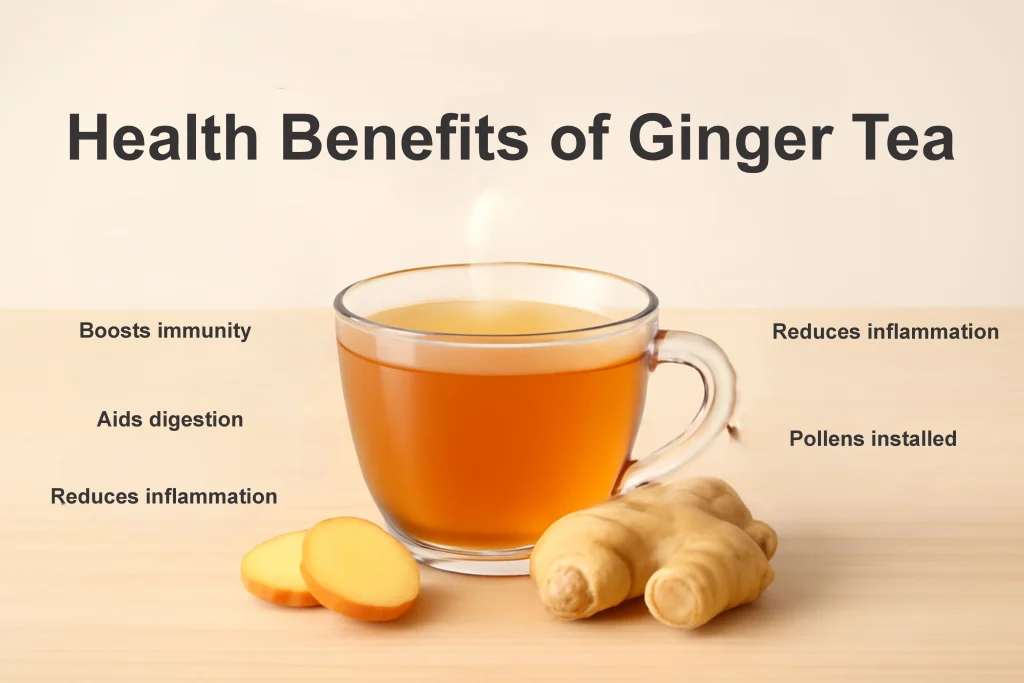
More Than Just Comfort: Exploring the Proven Health Benefits of Ginger Tea
Dealing with sluggish digestion, nagging joint stiffness, or sudden waves of nausea often drives people toward synthetic over-the-counter pills that mask discomfort while irritating the stomach lining. Meanwhile, dunking a papery grocery-store tea bag into lukewarm water rarely extracts enough active botanical compounds to trigger a measurable physiological response. In this definitive guide on https://herbalhealthcare.pk/, you will uncover the clinically validated ginger tea benefits, the exact thermal extraction method required to unlock potent gingerols and shogaols, and a step-by-step stovetop protocol that transforms raw kitchen rhizomes into a therapeutic daily tonic.
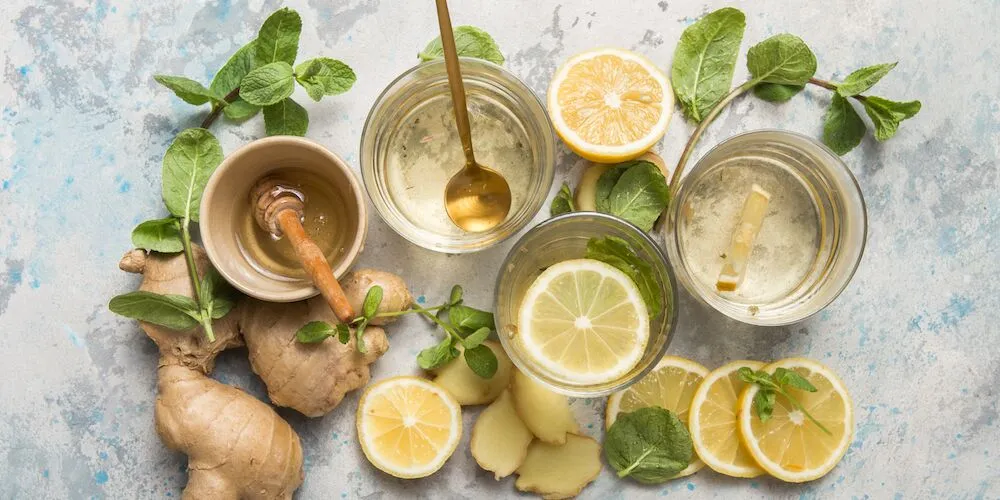
What Are the Main Ginger Tea Benefits?
| Quick Answer: Proven Ginger Tea BenefitsThe primary ginger tea benefits include accelerating gastric emptying to relieve nausea and bloating, inhibiting inflammatory pathways linked to osteoarthritis and menstrual cramps, supporting healthier fasting blood sugar levels, and supplying concentrated antioxidants like 6-gingerol and shogaols that strengthen immune resilience without caffeine. |
The Biochemistry Behind Proven Ginger Tea Benefits
Understanding why ginger tea benefits extend far beyond temporary throat warmth begins inside the underground stem—or rhizome—of Zingiber officinale. Unlike traditional black, green, or oolong teas that rely on caffeine and flavanols, fresh ginger root tea supplies over 100 distinct bioactive phenolic compounds, sesquiterpenes, and volatile essential oils.
According to a comprehensive https://pmc.ncbi.nlm.nih.gov/articles/PMC7019938/, the therapeutic activity of ginger revolves around three dynamic molecular families that shift in concentration depending on how you slice, heat, and steep your rhizomes:
6-Gingerol (Fresh Rhizome Dominance): Abundant in raw, freshly sliced ginger root, 6-gingerol delivers the crisp, pungent heat you notice on the first sip. Pharmacologically, it binds to serotonin (5-HT3) and cholinergic receptors in the gut lining to quiet nausea signals and stimulate digestive enzyme flow.
6-Shogaol (Heat-Activated Anti-Inflammatory Potency): When fresh ginger is simmered gently or dehydrated at controlled temperatures, gingerols undergo a dehydration reaction that converts them into shogaols. Laboratory and clinical studies demonstrate that 6-shogaol exhibits substantially stronger anti-inflammatory and free-radical scavenging capacity than raw gingerol.
Zingerone and Volatile Terpenes (Zingiberene & Bisabolene): Sustained gentle simmering also yields zingerone, a mild, sweet-spicy compound prized for calming intestinal smooth-muscle spasms and neutralizing oxidative stress without triggering gastric acid rebound.
When evaluating the full clinical spectrum of ginger tea benefits across human trials, seven distinct physiological actions emerge:
1. Accelerated Gastric Motility and Post-Meal Bloating Relief: As documented in the https://www.hopkinsmedicine.org/health/wellness-and-prevention/ginger-benefits, gingerol increases the speed at which solid and liquid meals exit the stomach into the small intestine. Faster stomach emptying motility prevents food fermentation, eliminating post-meal heaviness, trapped gas, and sluggish digestion.
2. Clinically Validated Nausea and Motion Sickness Control: Randomized controlled trials consistently show that ginger reduces pregnancy-related morning sickness, motion sickness, and post-anesthesia queasiness by calming erratic gastric contractions directly within the gastrointestinal tract rather than causing central nervous system drowsiness.
3. Targeted Relief for Menstrual Cramps (Primary Dysmenorrhea): Clinical trials comparing ginger intake against standard over-the-counter pain relievers during the first three days of menstruation demonstrate comparable reductions in pain intensity, driven by ginger’s inhibition of uterine prostaglandin synthesis.
4. Osteoarthritis and Exercise-Induced Joint Stiffness Support: Daily consumption of bioactive ginger compounds downregulates cyclooxygenase (COX-2) and lipoxygenase (LOX) inflammatory enzymes, easing knee stiffness and delayed-onset muscle soreness over 4 to 12 weeks of consistent use.
5. Fasting Blood Sugar and Insulin Sensitivity Support: Systematic reviews of patients with type 2 diabetes and metabolic syndrome report that consistent daily ginger intake improves peripheral glucose uptake into muscle cells and supports healthier fasting blood glucose, HbA1c, and triglyceride profiles.
6. Respiratory Circulation and Upper-Airway Comfort: Steaming ginger infusion acts as a natural diaphoretic and peripheral vasodilator, warming cold extremities, thinning thick nasal mucus, and delivering antimicrobial volatile oils that soothe irritated pharyngeal tissue.
7. Zero-Caffeine Metabolic Thermogenesis: As a 100% caffeine-free herbal remedy, ginger tea stimulates mild diet-induced thermogenesis and satiety after evening meals without interfering with melatonin release or deep restorative sleep.
| 💡 Quick Hack: The Thermal Conversion TriggerNever simply pour boiling water over thick ginger chunks and pull them out after two minutes. Simmering thin ginger coins for 12 to 15 minutes at a gentle covered bubble maximizes the conversion of raw 6-gingerol into anti-inflammatory 6-shogaol, doubling the functional ginger tea benefits per cup without spending a single extra rupee or dollar. |
Essential Tools & Materials Breakdown for Therapeutic Brewing
Capturing consistent ginger tea benefits requires clean, non-reactive cookware and fresh, high-oil rhizomes. Reactive aluminum pots can impart a metallic aftertaste when simmered with acidic lemon juice, while dull blades crush fibrous vascular bundles unevenly.
| Material / Tool | Recommended Specification | Estimated Cost | Skill Level | Functional Role in Extraction |
| Fresh Organic Ginger Rhizome | Firm, glossy, thin-skinned young or mature rhizome (250g–500g) | $1.50 – $4.00 (PKR 150 – 350) | Beginner | Primary source of 6-gingerol, zingiberene, and volatile essential oils. |
| Non-Reactive Saucepan | Borosilicate glass, 304 stainless steel, or enameled cast iron (1.5L) | $18.00 – $45.00 | Beginner | Prevents metallic ion leaching during 15-minute simmering cycles. |
| Microplane or Fine Grater | Stainless steel paddle grater or ceramic Japanese ginger grater | $8.00 – $15.00 | Beginner | Ruptures fibrous plant cells for rapid 5-to-8 minute single-cup extraction. |
| Chef’s Knife & Bamboo Board | 8-inch sharp stainless blade + non-porous bamboo cutting board | $15.00 – $30.00 | Beginner | Produces uniform 2mm cross-grain coins for controlled stovetop decoction. |
| Fine-Mesh Stainless Strainer | 30-mesh double-layer conical sieve | $6.00 – $12.00 | Beginner | Filters fine starch and fibrous pulp cleanly without paper bag absorption. |
| Raw Unfiltered Honey & Lemon | Cold-extracted raw honey + fresh organic lemons | $5.00 – $12.00 | Beginner | Ascorbic acid stabilizes polyphenols; raw honey coats irritated throat tissue. |
| Airtight Amber Glass Jar | 16 oz wide-mouth UV-blocking mason jar with silicone gasket | $4.00 – $9.00 | Intermediate | Preserves refrigerated ginger concentrate for up to 5 days without oxidation. |
Step-by-Step Execution Guide: How to Make Ginger Tea from Scratch
Follow this four-phase extraction protocol to capture maximum bioactive density without extracting harsh woody bitterness.
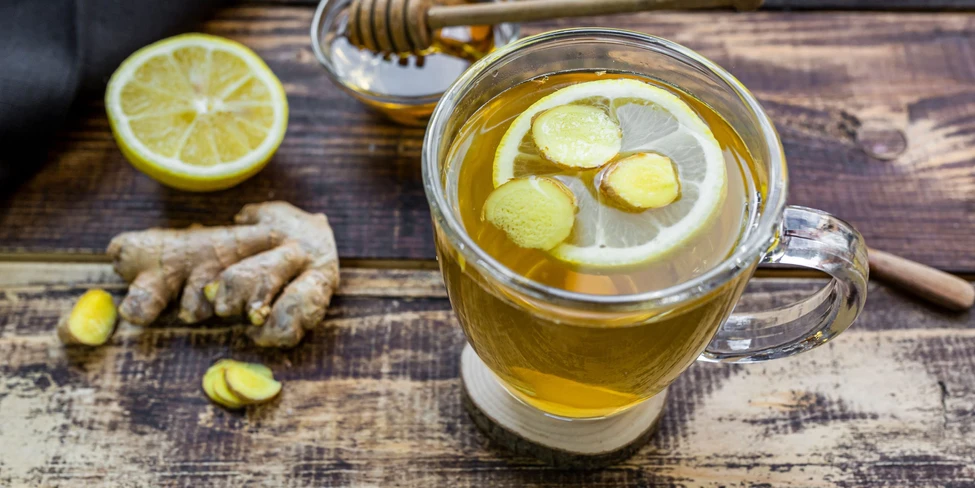
Selecting and Inspecting High-Potency Ginger Rhizomes
Your final cup is only as potent as the raw rhizome you buy. Old, shriveled ginger stored under bright grocery lights for months loses up to 40% of its volatile zingiberene oils.
Inspect Skin Tension and Sheen: Select plump, heavy hands of organic ginger rhizome with taut, smooth, glossy tan skin. Avoid roots with wrinkled tips, soft dark spots, or powdery white mold near the joints.
Perform the Crisp Snap Test: Break off a small knob cleanly. Fresh, oil-rich ginger snaps with a sharp audible crack and releases an immediate bright, peppery-citrus aroma.
Match Rhizome Maturity to Your Goal: Young ginger (pale cream skin with pink shoots) is tender and milder, ideal for gentle nausea relief. Mature ginger (thicker golden-brown skin) packs concentrated gingerols for joint stiffness and winter immune support.
Surface-Area Preparation (Slicing vs. Grating vs. Crushing)
How you cut the rhizome controls extraction speed and flavor balance. Dropping thick, uncrushed chunks into water leaves over 70% of active compounds trapped inside tough cellulose walls.
· Scrub Thoroughly Instead of Deep-Peeling: Rinse the rhizome under cool running water using a stiff vegetable brush. A high concentration of polyphenols and essential oils resides directly beneath the thin outer skin; scraping aggressively with a vegetable peeler discards valuable bioactive compounds.
· Slice Perpendicular to Fibers (2mm Coins): Cut across the grain into uniform, paper-thin rounds (1.5 to 2 millimeters thick). Cutting perpendicular severs long vascular bundles so hot water penetrates every cell layer evenly.
· Bruise with the Flat of Your Blade: Lay the flat side of your chef’s knife over the sliced coins and press down firmly with the heel of your palm. Bruising ruptures microscopic essential oil glands right before they enter the pot.
| 💡 Quick Hack: The Freezer-to-Microplane ShortcutStore scrubbed whole ginger knobs inside a sealed freezer bag in your freezer. Frozen ginger grates effortlessly on a fine stainless Microplane in 10 seconds without stringy fibers clogging the teeth, letting you brew single-cup fresh ginger root tea with zero prep mess and zero food waste. |
Controlled Stovetop Decoction (Time & Temperature Matrix)
In traditional herbalism, simmering dense roots and rhizomes in water is classified as a decoction, whereas steeping delicate flowers or leaves is an infusion. Because ginger is a fibrous underground stem, a covered stovetop decoction delivers far stronger ginger tea benefits than pouring kettle water over a mug.
Measure Exact Weight-to-Water Ratios: Use 15 to 20 grams of thinly sliced fresh ginger (roughly a 1.5-inch thumb-sized piece, yielding 2 packed tablespoons sliced) per 500 ml (2 cups) of filtered water.
Begin in Cold Filtered Water: Place the bruised ginger coins and cold water into your stainless steel or borosilicate glass saucepan together. Gradually raising the water temperature extracts water-soluble polyphenols smoothly without sealing outer plant tissues.
Simmer Covered for 12–15 Minutes: Bring the water just to a gentle boil over medium heat, immediately lower the burner to its minimum setting, and cover tightly with a lid. Keeping the pot covered traps volatile aromatic terpenes (such as zingiberene) so condensation drips back into your decoction instead of escaping into kitchen steam.
Rest Off-Heat for 3 Minutes: Turn off the burner and let the covered saucepan rest undisturbed for 3 minutes so suspended fine particles settle cleanly before straining.
Finishing Touches and Bioavailability Pairing
Once you strain the rich amber-gold liquid through a fine-mesh sieve into your mug, the timing of your finishing ingredients protects heat-sensitive nutrients.
· Cool Below 60°C (140°F) Before Stirring in Raw Honey: Wait 2 to 3 minutes after pouring before adding 1 teaspoon of raw unfiltered honey. Boiling temperatures denature beneficial bee enzymes like diastase and invertase.
· Squeeze Fresh Lemon Juice Last: Add 1 tablespoon of freshly squeezed lemon juice right before sipping. Vitamin C (ascorbic acid) lowers the pH slightly, stabilizing phenolic antioxidants and brightening the warm spicy finish.
· Add Cracked Black Pepper When Pairing with Turmeric: If you simmer fresh turmeric alongside your ginger for joint comfort, add 3 twists of freshly cracked black pepper. Piperine dramatically increases polyphenol absorption across the intestinal barrier.
5 Common Mistakes That Destroy Ginger Tea Benefits
Even dedicated tea drinkers routinely diminish ginger tea benefits through avoidable preparation habits. Eliminate these five mistakes to capture full therapeutic value from every cup:
1. Boiling Uncovered at a Vigorous Rolling Boil: Hard, uncovered boiling evaporates delicate essential oils into the air within minutes and extracts harsh, astringent tannins that make the tea taste woody rather than warmly spicy. Always maintain a gentle, covered simmer.
2. Relying on Ultra-Processed Commercial Tea Bags: Many mass-market ginger tea bags contain exhausted ginger dust blended with artificial ‘natural ginger flavor,’ licorice root, or maltodextrin. Always verify that organic Zingiber officinale rhizome is the sole or primary ingredient, and review our guide on https://herbalhealthcare.pk/ when comparing packaged herbal products.
3. Exceeding 4 Grams of Ginger Equivalent Daily: Higher doses do not produce faster healing. Consuming more than 4 grams of ginger per day (roughly 4 strong cups of fresh decoction or 2 teaspoons of pure dried powder) can cause heartburn, acid reflux, or mild diarrhea in sensitive individuals.
4. Brewing with Pre-Minced Jarred Ginger Paste: Commercial jarred ginger paste contains citric acid preservatives, salt, and stabilizers, and its volatile gingerols have already oxidized. Stick strictly to fresh whole roots or pure dehydrated slices.
5. Overlooking Prescription Medication Interactions: Because ginger exerts mild antiplatelet (blood-thinning) and glucose-lowering activity, drinking concentrated daily doses alongside prescription anticoagulants (such as warfarin), antiplatelet therapy, or diabetes medications requires physician guidance. Consult the https://www.nccih.nih.gov/health/ginger before combining herbal tonics with prescription drugs.
Advanced Tips & Next-Level Synergistic Blends
Once you master the core stovetop decoction, you can layer complementary culinary herbs to target specific wellness outcomes while amplifying overall ginger tea benefits.
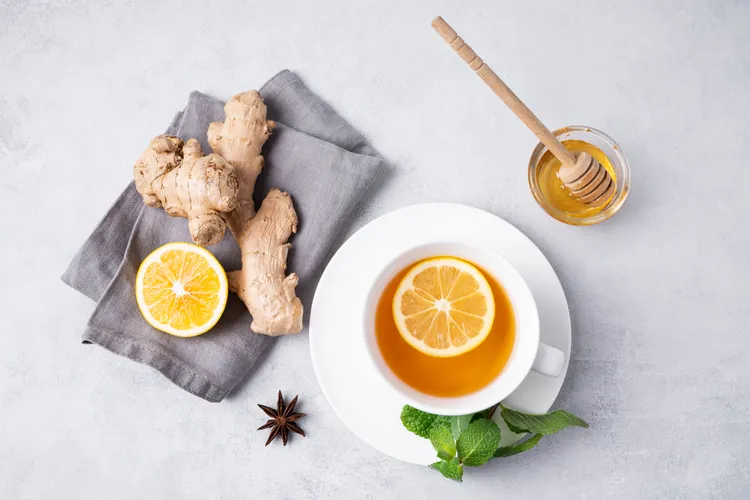
· The Post-Meal Digestive Reset (Ginger + Peppermint + Crushed Fennel): Simmer 15g sliced ginger with 1 teaspoon lightly crushed fennel seeds for 12 minutes, remove from heat, and steep 6 fresh peppermint leaves covered for 4 minutes. Fennel relaxes smooth intestinal muscle while ginger speeds stomach emptying.
· The Joint & Mobility Golden Tonic (Ginger + Fresh Turmeric + Black Pepper): Simmer equal parts sliced fresh ginger root and https://herbalhealthcare.pk/ with 4 cracked black peppercorns and 1/2 teaspoon virgin coconut oil. Healthy lipids and piperine enhance curcuminoid bioavailability alongside ginger’s shogaols.
· The Afternoon Blood-Sugar Balancer (Ginger + True Ceylon Cinnamon): Add one 2-inch true Ceylon cinnamon quill (not cassia) to your simmering ginger pot. Both spices support steady post-meal insulin response and curb late-afternoon sugar cravings naturally.
· The Evening Throat & Sleep Soother (Ginger + Whole Chamomile): Pour freshly strained hot ginger decoction over whole Egyptian chamomile blossoms and steep covered for 5 minutes. Explore more https://herbalhealthcare.pk/ to build a restorative nighttime wind-down ritual.
| 💡 Quick Hack: 5x Concentrates in Silicone Ice Cube TraysSimmer 100 grams of thinly sliced ginger in 4 cups of water for 20 minutes until reduced by half, strain cleanly, and freeze the dark golden concentrate in a silicone ice cube tray. Drop two frozen ginger cubes into hot water or chilled sparkling mineral water anytime for instant, barista-grade ginger tea in 30 seconds. |
| 💡 Quick Hack: Zero-Waste Ginger Pulp Broth & Body ScrubNever discard your strained ginger coins! Drop the simmered slices into chicken or vegetable bone broth for warming aromatic depth, or blend the cooled fibrous pulp with 2 tablespoons of virgin coconut oil and brown sugar for an invigorating circulation-boosting body scrub. |
Troubleshooting & Long-Term Storage Maintenance Guide
Reliable year-round access to ginger tea benefits depends on proper post-harvest storage so your rhizomes stay crisp and your brewed concentrates remain microbiologically safe.
Troubleshooting Common Brewing & Tolerance Issues
Problem: Tea Tastes Flat or Watery -> Fix: Your ginger slices were cut too thick, or your rhizome was old and dehydrated. Switch to fine Microplane grating (1 tablespoon grated fresh ginger per cup) and simmer covered for a full 12 minutes.
Problem: Mild Heartburn or Throat Warmth Feels Too Intense -> Fix: Halve your ginger ratio (use 8g instead of 15g per 500 ml), avoid drinking strong ginger tea on a completely empty stomach first thing in the morning, and stir in 1 teaspoon of raw honey to coat esophageal mucosa.
Problem: Cloudy, Starch-Heavy Sediment at the Bottom of the Mug -> Fix: Grated ginger releases natural rhizome starch granules that settle as the cup cools. Allow the pot to rest off-heat for 3 minutes before pouring through a fine-mesh stainless strainer lined with unbleached cheesecloth.
Long-Term Storage & Shelf-Life Protocol
Caption: Storage longevity matrix comparing shelf life across dehydrated ginger chips, frozen whole rhizomes, refrigerated roots, and brewed concentrate.
Refrigerating Whole Fresh Ginger (Up to 3 Weeks): Never leave unpeeled ginger loose in the refrigerator crisper where excess humidity triggers surface mold. Wrap unwashed whole hands tightly in a dry paper towel, seal inside a reusable silicone bag with air pressed out, and store in the crisper drawer.
Storing Brewed Ginger Concentrate (Up to 5 Days): Cool strained ginger tea to room temperature within 1 hour of simmering, pour into a sterilized amber glass jar, and refrigerate at or below 4°C (39°F). Always add fresh lemon juice and raw honey per mug right before serving rather than inside the storage jar.
Dehydrating Ginger Chips for Pantry Storage (6–12 Months): Slice scrubbed fresh ginger into uniform 1.5mm coins and dehydrate at 55°C (130°F) for 6 to 8 hours until crisp and brittle. Store inside an airtight glass apothecary jar away from direct sunlight for year-round travel and office brewing.
Frequently Asked Questions About Ginger Tea Benefits
1. How many cups of ginger tea should I drink a day for maximum health benefits?
Most clinical studies and registered dietitians recommend 2 to 3 cups of freshly brewed ginger tea per day, staying within a safe daily ceiling of 3 to 4 grams of total ginger equivalent. Spacing your intake—one cup after breakfast for digestion and one cup in the afternoon or evening—maintains steady plasma levels of active polyphenols without irritating sensitive stomachs.
2. Is fresh ginger root tea better than dried ginger powder or store-bought tea bags?
Fresh ginger root tea delivers the richest profile of volatile aromatic oils (such as zingiberene) alongside 6-gingerol, while 15 minutes of gentle simmering converts a substantial portion into potent 6-shogaol. Pure dried ginger powder is naturally concentrated in shogaols and works well when traveling (use 1/2 teaspoon per cup), whereas conventional paper tea bags often contain lower-potency dust unless certified organic and single-ingredient.
3. Can I drink ginger tea on an empty stomach every morning?
Many people enjoy warm lemon-ginger tea upon waking to stimulate sluggish morning digestion and rehydrate. However, because ginger accelerates gastric motility and digestive secretions, individuals with active acid reflux, gastritis, or sensitive stomachs should drink it 20 to 30 minutes after eating breakfast.
4. Does ginger tea help with weight loss and belly bloating?
Ginger tea is not a standalone fat-loss miracle, but clinical trials demonstrate that it supports healthy body-weight management through three practical mechanisms: increasing mild diet-induced thermogenesis, improving post-meal satiety, and supporting stable blood sugar levels that reduce reactive cravings—especially when replacing sweetened sodas or sugary coffee drinks.
5. Is ginger tea safe during pregnancy for morning sickness?
Clinical trials and major obstetric organizations recognize moderate ginger intake (typically up to 1 gram of ginger per day divided into smaller doses) as an effective non-pharmaceutical option for mild pregnancy nausea. Always consult your obstetrician or healthcare provider before starting any herbal routine during pregnancy or breastfeeding.
6. Does ginger tea raise or lower blood pressure?
Clinical evidence suggests that regular ginger consumption acts as a mild natural vasodilator and voltage-dependent calcium-channel modulator, which may modestly support healthy blood pressure levels over time. If you take prescription antihypertensive medications, monitor your blood pressure regularly and consult your physician to prevent additive blood-pressure-lowering effects.
Start Your Daily Ginger Tea Ritual Today
Capturing the full spectrum of ginger tea benefits does not require expensive imported capsules or complicated routines—just fresh, crisp Zingiber officinale rhizomes, a covered non-reactive saucepan, and 15 minutes of gentle stovetop simmering. By respecting the thermal chemistry of gingerols and shogaols, avoiding uncovered hard boiling, and pairing your infusion with raw honey and fresh lemon, you turn an everyday culinary root into one of the most dependable remedies in your home apothecary.
Join the conversation in the comments on https://herbalhealthcare.pk/: Which specific benefit are you brewing ginger tea for first—post-meal digestion, joint comfort, or seasonal immune support—and what is your favorite natural add-in (lemon, raw honey, turmeric, or fresh mint)?