
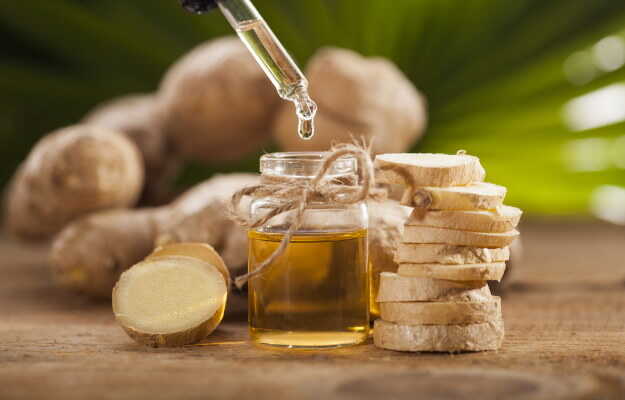
Ginger is one of the most widely used kitchen ingredients, but its value goes beyond adding a spicy flavour to food. From supporting digestion to potentially reducing nausea and inflammation, this aromatic rhizome has attracted considerable scientific attention.
But is eating ginger every day actually good for your health? Can too much ginger cause heartburn, stomach problems or medication interactions?
This guide to ginger benefits and side effects explores the science behind ginger, its nutritional properties, practical ways to use it, recommended precautions and what you should know before making it part of your daily routine.
What Happens When You Eat Ginger Every Day?
Eating moderate amounts of ginger regularly may help with certain types of nausea, digestive discomfort and inflammation-related symptoms. Research also suggests possible benefits for menstrual discomfort and blood sugar management, although evidence varies. Excessive intake may cause heartburn, diarrhoea and stomach irritation, particularly when using concentrated supplements.
The important distinction is between eating ginger as food and taking high-strength ginger supplements. They do not provide the same exposure or carry exactly the same risks.
Understanding Ginger and Its Natural Compounds
Top 6 anti-inflammatory ingredients
Ginger, scientifically known as Zingiber officinale, is a flowering plant whose underground stem is commonly called ginger root. It has been used in traditional cooking and wellness practices for centuries.
Its characteristic flavour comes from naturally occurring compounds, particularly:
- Gingerols: Prominent in fresh ginger and responsible for much of its pungent taste.
- Shogaols: Compounds that become more prominent as ginger is dried or heated.
- Zingerone: A compound associated with ginger’s aroma and flavour, particularly after heating.
- Essential oils: Contribute to ginger’s distinctive smell and flavour.
Scientists study these compounds for their potential antioxidant, anti-inflammatory and digestive effects.
However, laboratory findings do not automatically mean that eating ginger will prevent or cure a medical condition.
Nutritional Value of Ginger
Ginger is generally consumed in small quantities, so it is not usually a major source of daily calories or nutrients. Nevertheless, it contributes small amounts of several nutrients and plant compounds.
Approximate nutritional values for 100 grams of raw ginger are shown below.
| Nutrient | Approximate amount |
| Calories | 80 kcal |
| Carbohydrates | 17.8 g |
| Dietary fibre | 2 g |
| Protein | 1.8 g |
| Fat | 0.75 g |
| Potassium | 415 mg |
| Magnesium | 43 mg |
| Vitamin C | 5 mg |
| Vitamin B6 | 0.16 mg |
Important: Most people eat considerably less than 100 grams of ginger at a time. These figures should not be interpreted as the nutrients received from a typical cup of ginger tea.
10 Potential Health Benefits of Ginger
1. May Help Reduce Nausea and Vomiting
One of the most researched uses of ginger is its potential to relieve nausea.
Certain compounds in ginger may influence digestive processes and signalling pathways involved in nausea and vomiting.
Research suggests ginger may help with:
- Pregnancy-related nausea.
- Certain types of digestive discomfort.
- Nausea associated with some medical treatments, although findings are inconsistent.
- General feelings of queasiness in some individuals.
Pregnancy-related nausea is particularly interesting because several clinical studies have investigated ginger supplements for this purpose.
However, ginger is not a replacement for prescribed anti-nausea medication. People receiving chemotherapy or preparing for surgery should consult their medical team before using supplements.
2. Supports Digestive Comfort
Ginger Tea Good For Sore Throat: 5 Proven Benefits
Ginger has a long history of use in traditional digestive preparations.
Some research suggests that ginger may influence gastrointestinal movement, potentially helping food move through the stomach more efficiently.
People commonly use ginger to support comfort when experiencing:
- Mild digestive discomfort.
- Feelings of fullness after meals.
- Occasional nausea.
- Temporary stomach uneasiness.
Ginger tea is a popular preparation because it is simple to make and allows people to adjust its strength.
However, ginger does not work for everyone. People with acid reflux or sensitive stomachs may experience increased heartburn after consuming it.
3. Contains Anti-Inflammatory Compounds
Inflammation is a natural biological response that helps the body respond to injury and infection.
Problems can arise when inflammatory processes become persistent or excessive.
Ginger contains gingerols and related compounds that researchers have investigated for their potential anti-inflammatory effects.
Studies suggest these compounds may influence certain pathways involved in inflammation.
Potential areas of interest include:
- Joint discomfort.
- Inflammatory responses.
- Oxidative stress.
- Muscle soreness.
Nevertheless, ginger should not be considered a treatment for chronic inflammatory diseases. Human research is still developing, and results vary depending on the preparation and amount used.
4. May Help Relieve Menstrual Discomfort
Some clinical studies suggest ginger supplements may help reduce the severity of menstrual cramps.
Menstrual discomfort is often associated with prostaglandins, substances involved in uterine contractions and inflammatory responses.
Researchers have investigated whether ginger’s biological properties may influence these processes.
Some people use ginger tea during menstruation because it is easy to prepare and provides a warming, pleasant drink.
However, severe menstrual pain should not automatically be attributed to normal cramps. Persistent or worsening pain may require medical assessment.
5. May Support Blood Sugar Management
Blood sugar management is another area of interest in ginger research.
Some small clinical trials have reported improvements in fasting blood glucose and HbA1c among people with type 2 diabetes who used ginger supplements.
These findings are promising, but the available evidence is not strong enough to recommend ginger as a diabetes treatment.
People with diabetes should remember:
- Ginger does not replace insulin.
- It does not replace prescribed diabetes medication.
- Supplement doses may differ considerably from culinary amounts.
- Blood glucose should continue to be monitored according to medical advice.
If you take glucose-lowering medication, discuss concentrated ginger supplements with your healthcare professional before starting them.

6. May Help With Joint Discomfort
Bất ngờ từ nghệ và gừng: Phát hiện có thể ‘chặn’ tế bào ung thư
Osteoarthritis is a common joint condition involving changes in cartilage and surrounding tissues.
Researchers have investigated ginger supplements as a possible complementary approach to managing osteoarthritis symptoms.
Some studies suggest ginger may provide modest improvements in pain and physical function, particularly in people with knee osteoarthritis.
However, ginger does not rebuild damaged cartilage or cure arthritis.
For better joint health, consider combining appropriate medical care with:
- Regular low-impact exercise.
- Strengthening activities.
- Healthy weight management where appropriate.
- Balanced nutrition.
- Professional physiotherapy when needed.
7. Provides Antioxidant Compounds
The body naturally produces free radicals during normal metabolic processes.
Antioxidants help protect cells against oxidative damage.
Ginger contains several plant compounds that demonstrate antioxidant activity in laboratory research.
These compounds are being investigated for their possible role in protecting cells against oxidative stress.
However, claims that ginger directly prevents cancer, reverses ageing or detoxifies the body are not supported by sufficient clinical evidence.
Including ginger in a varied diet is reasonable, but it should not be treated as a substitute for other healthy habits.
8. May Support Cardiovascular Health
Researchers have explored ginger supplementation for its possible effects on cholesterol and blood pressure.
Some studies have reported improvements in certain cardiovascular measurements, including blood lipid levels.
However, research findings are inconsistent, and ginger has not been established as a treatment for high blood pressure or high cholesterol.
For cardiovascular health, focus on:
- Eating vegetables and fruits regularly.
- Reducing excessive sodium intake.
- Choosing healthier fats.
- Staying physically active.
- Avoiding smoking.
- Following prescribed medical treatment.
Ginger can be included as a flavourful ingredient within this approach.
9. May Help With Muscle Soreness
Physical activity can cause temporary muscle soreness, particularly after unfamiliar or intense exercise.
Some small studies have examined ginger supplementation and exercise-related muscle discomfort.
Results suggest ginger may provide modest benefits in certain circumstances, but the evidence is limited.
It should not replace adequate recovery, hydration, sleep and appropriate exercise progression.
10. Adds Flavour Without Excessive Calories
One practical benefit of ginger is its ability to improve the flavour of meals.
Fresh ginger adds a spicy, aromatic taste without contributing many calories in normal culinary portions.
You can use it in:
- Vegetable soups.
- Lentil dishes.
- Stir-fried vegetables.
- Homemade sauces.
- Marinades.
- Herbal infusions.
Using ginger to flavour food may also help reduce dependence on heavily processed sauces and excessive added salt or sugar.
Ginger Benefits and Side Effects: Possible Risks of Daily Consumption
Although ginger is generally well tolerated in ordinary food amounts, consuming large quantities or concentrated supplements can cause unwanted reactions.
Understanding the potential ginger benefits and side effects is important before turning ginger into a daily health routine.
1. Heartburn and Acid Reflux
Heartburn is one of the commonly reported problems associated with ginger consumption.
Some people experience a burning sensation in the chest or throat after drinking strong ginger tea or taking ginger supplements.
This may be particularly uncomfortable for people who already experience gastroesophageal reflux disease (GERD).
How to avoid it:
- Start with a small amount.
- Avoid very strong ginger preparations.
- Stop consuming ginger if it consistently triggers reflux.
- Avoid drinking strong ginger tea immediately before lying down.
2. Stomach Discomfort
Large amounts of ginger may irritate the digestive system in sensitive individuals.
Possible symptoms include:
- Abdominal discomfort.
- Stomach irritation.
- Belching.
- Nausea.
- Bloating.
If these symptoms appear after consuming ginger, reduce the amount or stop using it.
3. Diarrhoea and Loose Stools
Ginger may affect gastrointestinal activity.
Although some people use it to support digestive comfort, excessive consumption can cause loose stools or diarrhoea.
This is particularly relevant when using concentrated ginger powders or supplements.
4. Possible Effects on Blood Clotting
Ginger has been investigated for its possible effects on platelet activity and blood clotting.
The clinical significance of this interaction remains uncertain, but caution is sensible when using concentrated ginger supplements alongside anticoagulant or antiplatelet medication.
People taking blood-thinning medicines should consult their healthcare professional before starting ginger supplements.
5. Possible Effects on Blood Sugar
Some research suggests ginger supplements may influence blood glucose levels.
This could be relevant for people taking insulin or other diabetes medication.
Combining concentrated supplements with glucose-lowering treatment without medical supervision may complicate blood sugar management.
6. Mouth and Throat Irritation
Ginger contains naturally pungent compounds that produce its characteristic spicy sensation.
Eating large amounts of raw ginger may cause:
- Burning sensations in the mouth.
- Throat irritation.
- Temporary discomfort.
- Increased sensitivity in some individuals.
Using smaller portions or cooking ginger may make it easier to tolerate.
7. Allergic Reactions
Although uncommon, some individuals may experience an allergic reaction to ginger.
Possible symptoms include itching, skin rash or swelling.
Stop consuming ginger if an allergic reaction develops. Swelling of the tongue or throat, or difficulty breathing, requires emergency medical attention.
Who Should Be Careful When Consuming Ginger?
Not everyone should approach ginger supplements in the same way.
Certain medical conditions and medications make professional advice particularly important.
| Group | Potential concern | Recommended approach |
| Pregnant women | Supplement dose and individual pregnancy circumstances | Consult a healthcare professional |
| People taking blood thinners | Possible interaction with clotting-related processes | Review supplements with a clinician |
| People with diabetes | Potential effects on blood glucose | Monitor glucose and seek advice |
| People taking blood pressure medication | Possible additive effects are uncertain | Discuss concentrated supplements |
| People with gallstones | Potential effects on bile flow | Seek medical advice |
| People preparing for surgery | Possible supplement-related interactions | Inform the surgical team |
| People with acid reflux | Heartburn or irritation | Avoid preparations that trigger symptoms |
Is Ginger Safe During Pregnancy?
Ingwer in der Schwangerschaft: sicher oder gefährlich? – DIE INGWERIANER®
Ginger has been studied for its potential to reduce pregnancy-related nausea.
Some clinical research suggests it may help certain pregnant women experiencing morning sickness.
However, there is an important difference between using ginger as a food ingredient and taking concentrated ginger supplements.
Pregnant women should:
- Discuss supplement use with their doctor or midwife.
- Avoid assuming that larger amounts provide better results.
- Check ingredients in commercial herbal products.
- Seek medical attention for severe vomiting or dehydration.
Pregnancy-related nausea can sometimes become serious, particularly when a person cannot retain fluids or food.
Can You Eat Ginger With Medication?
Ginger supplements may interact with certain medications or influence their effects.
Extra caution is appropriate with:
- Anticoagulants and antiplatelet medicines.
- Diabetes medication.
- Blood pressure medication.
- Other herbal supplements with similar potential effects.
Not every interaction has been conclusively demonstrated in clinical studies. Nevertheless, discussing supplement use with a pharmacist or doctor is a sensible precaution.
Fresh Ginger vs Powdered Ginger: Which Is Better?
Fresh and powdered ginger are both useful, but they have different characteristics.
Bowls with ginger root slices and powder for cooking on light kitchen background.Top view.
| Feature | Fresh ginger | Powdered ginger |
| Form | Fresh rhizome | Dried and ground |
| Flavour | Fresh, sharp and aromatic | Warm, concentrated and earthy |
| Preparation | Wash, peel if desired, slice or grate | Ready to use |
| Storage | Refrigerator or freezer | Cool, dry cupboard |
| Best uses | Tea, soups, curries and sauces | Baking, spice blends and cooking |
| Convenience | Requires preparation | Very convenient |
| Composition | Contains gingerols and other compounds | Processing changes the compound profile |
Which Form Should You Choose?
Choose fresh ginger if you enjoy preparing homemade drinks, soups and savoury dishes.
Powdered ginger is useful when you need a convenient ingredient with a longer shelf life.
Neither form is universally superior for health. Their chemical composition differs, and they should not be converted gram for gram when comparing supplement research.
Pro-Tip: Keep fresh ginger in the freezer. You can grate it directly while frozen, making it easier to prepare small portions without wasting the remaining piece.
How to Use Ginger Daily: Five Practical Methods
You do not need complicated recipes or expensive supplements to enjoy ginger.
Here are five straightforward ways to incorporate it into your regular meals.
1. Homemade Ginger Tea
Ginger tea and ingredients on a grunge wooden background
Ginger tea is one of the easiest ways to enjoy the ingredient.
Ingredients:
- A few thin slices of fresh ginger.
- One cup of water.
- A small lemon slice, optional.
- Honey, optional.
Preparation:
- Wash the ginger thoroughly.
- Slice it into thin pieces.
- Heat one cup of water.
- Add the ginger and allow it to steep for several minutes.
- Strain the drink if preferred.
- Add lemon or a small amount of honey for flavour.
Start with a mild infusion and adjust the strength according to your tolerance.
Pro-Tip: If ginger tea causes heartburn, use fewer slices and shorten the steeping time rather than making it stronger.
2. Ginger and Lemon Water
This is a refreshing alternative to sweetened beverages.
Ingredients:
- One glass of drinking water.
- A few thin slices of fresh ginger.
- A small squeeze of lemon.
Preparation:
- Wash and slice the ginger.
- Add it to drinking water.
- Add lemon juice.
- Allow the mixture to sit for several minutes.
- Drink it fresh.
Ginger and lemon water can help make hydration more enjoyable, but it is not a detoxification treatment or a guaranteed weight-loss drink.
3. Add Ginger to Everyday Meals
Ginger works particularly well in South Asian cooking.
You can add it to:
- Chicken curry.
- Vegetable pulao.
- Daal.
- Homemade soups.
- Fish marinades.
- Vegetable stir-fries.
Adding ginger to meals is a convenient way to enjoy its flavour without following a separate supplement routine.
4. Ginger and Honey Infusion
A ginger and honey infusion is a popular homemade drink.
Combine a mild ginger infusion with a small amount of honey after it has cooled slightly.
Honey contributes sweetness but also contains sugar, so use it moderately, particularly if you are monitoring blood glucose.
5. Ginger in Smoothies
Fresh ginger can add a pleasant spicy flavour to fruit and vegetable smoothies.
Try combining a small piece with:
- Banana.
- Apple.
- Carrot.
- Orange.
- Plain yoghurt.
Blend with water or your preferred liquid.
Start with a small quantity because raw ginger can quickly overpower the flavour.
How Much Ginger Should You Consume Daily?
There is no universally established daily ginger requirement for everyone.
The appropriate amount depends on whether you are consuming fresh ginger, dried powder, tea or a concentrated supplement.
For everyday cooking, a modest amount is generally sufficient to add flavour. Supplement studies use measured doses that should not automatically be treated as recommendations for daily self-treatment.
Consider these practical guidelines:
| Ginger form | Practical use | Important consideration |
| Fresh ginger | Small portions in meals | Adjust to taste and tolerance |
| Ginger tea | Mild homemade infusion | Avoid overly concentrated drinks |
| Ground ginger | Small amounts in recipes | More concentrated flavour |
| Ginger water | Infused drinking water | Not a substitute for treatment |
| Ginger capsules | Follow product and professional guidance | Check interactions and dosage |
The best approach is moderation. Increasing the quantity does not guarantee additional health benefits.
Five Budget-Friendly Ginger Hacks
💡 Quick Hack 1: Freeze Ginger in Portions
Grate fresh ginger and divide it into small portions in an ice-cube tray. Freeze and transfer the portions to a sealed freezer-safe container.
This saves preparation time and reduces food waste.
💡 Quick Hack 2: Make Ginger Tea Without Special Equipment
You do not need an expensive tea maker. A saucepan, fresh ginger and a regular kitchen strainer are enough.
💡 Quick Hack 3: Use Ground Ginger When Fresh Ginger Is Unavailable
Keep a small container of ground ginger in your kitchen. It works well in baking, soups and spice mixtures.
💡 Quick Hack 4: Add Ginger to Homemade Dishes
Instead of purchasing expensive herbal drinks, add fresh ginger to your regular meals. This is usually a more affordable way to enjoy it.
💡 Quick Hack 5: Adjust the Strength of Your Infusion
If you find ginger tea too spicy, reduce the amount of ginger and steep it for less time. There is no need to force yourself to drink an overly strong preparation.
Common Mistakes to Avoid When Using Ginger
Even a familiar kitchen ingredient can be misused. These five mistakes are particularly important to avoid.
Mistake 1: Eating Excessive Amounts
Some people believe that consuming more ginger automatically produces better results.
This is incorrect.
Large quantities can increase the likelihood of digestive discomfort, heartburn and diarrhoea.
Better approach: Use moderate amounts and pay attention to how your body responds.
Mistake 2: Replacing Medication With Ginger
Ginger is not a substitute for prescribed treatment.
People with diabetes, hypertension, arthritis or other chronic conditions should continue following their healthcare professional’s recommendations.
Better approach: Treat ginger as a food ingredient or a potential complementary option, not a replacement for medical care.
Mistake 3: Drinking Strong Ginger Tea on an Empty Stomach
Some people tolerate ginger tea comfortably, while others experience stomach irritation.
Drinking a concentrated preparation before eating may be uncomfortable for sensitive individuals.
Better approach: Try a mild infusion with food or after a meal if it suits your digestion.
Mistake 4: Ignoring Supplement Ingredients
Not all ginger supplements contain the same ingredients or concentrations.
Some products combine ginger with other herbs, vitamins or extracts.
Better approach: Read the ingredient list, serving size and dosage information carefully.
Mistake 5: Ignoring Warning Signs
Persistent heartburn, diarrhoea, abdominal pain or allergic symptoms should not be ignored.
Better approach: Stop the preparation that causes problems and seek medical advice when symptoms are significant or persistent.
How to Store Ginger Properly
Como Armazenar Gengibre Fresco Corretamente: Guia Definitivo
Proper storage helps preserve ginger’s quality and reduces unnecessary food waste.
Refrigerating Fresh Ginger
- Select firm ginger without visible mould.
- Keep the skin intact if you do not need to peel it.
- Wrap it in a dry paper towel.
- Place it in a suitable refrigerator container or bag.
- Check regularly for signs of spoilage.
Freezing Ginger
Freezing is useful if you purchase ginger in larger quantities.
- Wash and dry the ginger.
- Peel it if desired.
- Divide it into manageable pieces.
- Place it in a sealed freezer-safe bag.
- Remove only the quantity required.
Frozen ginger can be grated directly into cooking.
Storing Ground Ginger
Keep powdered ginger in an airtight container away from moisture, heat and direct sunlight.
Replace it when its aroma becomes weak or its quality deteriorates.
Discard fresh ginger that becomes mouldy, slimy or develops an unusual smell.
Troubleshooting: What If Ginger Causes Problems?
| Problem | Possible reason | What to do |
| Heartburn | Sensitivity or strong preparation | Reduce or stop consumption |
| Loose stools | Excessive intake | Stop or reduce ginger |
| Stomach irritation | Individual sensitivity | Try avoiding concentrated forms |
| Burning mouth | Strong raw ginger | Use a smaller amount or cook it |
| Unpleasant taste | Excessive concentration | Dilute the preparation |
| Skin rash | Possible allergy | Stop use and seek medical advice |
If you experience breathing difficulties, facial swelling or throat swelling, seek emergency medical attention.
Frequently Asked Questions About Ginger
1. What are the main ginger benefits and side effects?
Ginger may help reduce certain types of nausea and may provide modest benefits for menstrual discomfort and knee osteoarthritis symptoms. It also contains antioxidant and anti-inflammatory compounds.
Possible side effects include heartburn, diarrhoea, abdominal discomfort and mouth irritation, especially when consumed in excessive quantities or concentrated supplements.
2. Is eating raw ginger every day good for you?
Eating small culinary amounts of raw ginger is generally well tolerated by most healthy adults.
Raw ginger can add flavour to meals and provide naturally occurring plant compounds.
However, eating large pieces regularly is unnecessary and may cause digestive irritation in sensitive individuals.
3. Does ginger help reduce belly fat?
There is currently insufficient strong clinical evidence to establish ginger as a reliable belly-fat reduction treatment.
Some research has explored ginger supplementation and metabolic measurements, but ginger alone cannot produce targeted fat loss.
A sustainable approach involves balanced meals, regular physical activity, adequate sleep and appropriate calorie intake.
4. Can ginger help improve digestion?
Ginger may influence gastrointestinal movement and can help with certain types of nausea.
Some people find ginger tea comforting after meals.
However, it does not reliably treat every digestive condition. People with acid reflux may experience worsening symptoms.
5. Is ginger tea better than eating raw ginger?
Neither is automatically better.
Ginger tea is easy to prepare and allows you to adjust the strength. Raw ginger provides a stronger flavour and can be added directly to meals.
Your choice should depend on preference, preparation and digestive tolerance.
6. Can ginger interact with blood-thinning medication?
Concentrated ginger supplements may be a concern for people taking anticoagulant or antiplatelet medication.
The clinical evidence is not conclusive for every interaction, but professional advice is recommended before using supplements.
Ordinary culinary use and high-dose supplementation should not be treated as equivalent.
Conclusion: Should You Eat Ginger Every Day?
Ginger is a versatile natural ingredient that offers more than just flavour. Its potential benefits include helping with certain types of nausea, supporting digestive comfort and providing compounds that researchers are investigating for their anti-inflammatory properties.