
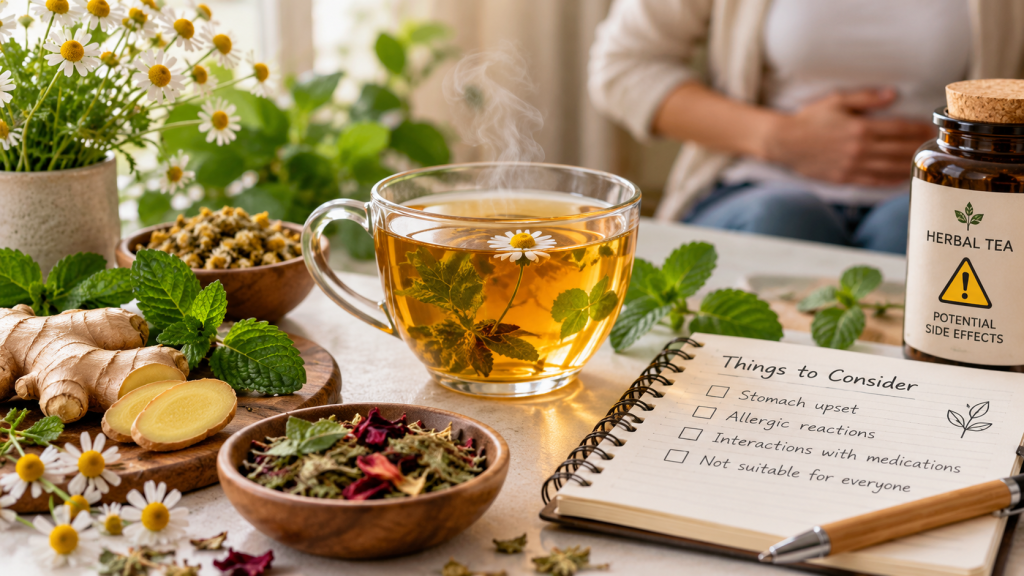
A warm cup of herbal tea looks harmless, especially when the package promises calm, digestion, or better sleep. Yet herbal tea side effects range from mild heartburn to serious medication interactions, and the risk depends on the exact plant, dose, preparation, and person drinking it.
Understanding herbal tea side effects begins with a plant-by-plant assessment. This guide explains ten risks worth recognizing before you pour another cup. You will also learn how to read tea labels, choose a simpler blend, brew more consistently, identify warning signs, and speak with a pharmacist about possible interactions—without mistaking a wellness drink for a proven medical treatment.
What are herbal tea side effects?
Herbal tea side effects are unwanted reactions that may occur after drinking plant infusions, including nausea, reflux, sleepiness, allergy, changes in blood pressure, and interactions with medicines. Risk varies by herb, concentration, frequency, health conditions, and other ingredients. Severe symptoms such as breathing difficulty or fainting require urgent medical attention.
First understand what is actually in your cup
Most herbal teas are infusions made from leaves, flowers, bark, roots, fruits, or seeds. Unlike black and green tea, many do not contain leaves of Camellia sinensis. That distinction does not guarantee zero caffeine: mixed blends may include true tea, yerba mate, guarana, or other stimulating ingredients.
An ordinary peppermint infusion is also different from a capsule of peppermint oil, and a brewed cup is not equivalent to a concentrated botanical extract. Scientific findings about extracts should not automatically be applied to cups of tea. Start with the label: identify each herb by its common and botanical name, note the stated preparation, and check whether the product contains added concentrates.

Figure 2. A readable ingredient label and clear source details make product comparisons easier.
Tools, materials and budget for a safer tea routine
Estimated prices below are illustrative Pakistani shopping ranges, not live supplier quotes. No equipment can eliminate a plant’s inherent risks.
| Item | Purpose | Indicative cost (PKR) | Effort |
| Single-ingredient packaged tea | Easier ingredient tracking | 250–1,200 / pack | Beginner |
| Clean mug and kettle | Hygienic preparation | Existing household items | Beginner |
| Kitchen timer | Repeatable brew time | 0–500 | Beginner |
| Measuring spoon | Consistent quantity | 100–500 | Beginner |
| Notes app / paper log | Record dose and reactions | Free–200 | Beginner |
| Pharmacist medication review | Assess important interactions | Varies by provider | Professional |
10 hidden risks: the evidence-based checklist
1. An allergic reaction you did not expect
Chamomile is a familiar bedtime tea, but people allergic to ragweed, daisies, chrysanthemums, or related plants may react to it. A reaction can involve an itchy mouth, hives, swelling, wheezing, or—rarely—a severe whole-body allergy. Previous tolerance of one tea does not establish tolerance to a new multi-herb blend.
Do not test a suspicious product again after swelling, wheezing, or hives. Seek emergency help for trouble breathing, tongue or throat swelling, or faintness. For a milder suspected reaction, stop the tea and discuss the ingredient list with a clinician before future use.
💡 Quick Hack: Photograph both sides of the package before your first cup. If symptoms develop, you will have the full ingredient list and batch details available.
2. Medication interactions that a label may not explain
Medication-related herbal tea side effects are especially important when prescriptions have narrow safety margins. Some botanicals affect how medicines act, are processed, or contribute to side effects. St. John’s wort is a particularly important interaction example: it can reduce the effectiveness of several medications, including some contraceptives and prescription treatments. Chamomile has reported interactions with warfarin and theoretical concerns with sedatives.
Anyone using blood thinners, heart medicines, antidepressants, diabetes medicines, seizure medications, immunosuppressants, or hormonal contraception should ask a pharmacist about the exact blend. Provide product photos, ingredient quantities if known, and the complete medicine list. Separating tea from a tablet by an hour or two does not reliably remove a pharmacologic interaction.
3. Changes in blood pressure and fluid balance
Hibiscus is popular in colorful tart infusions. Some trials suggest it can lower blood pressure modestly, but the evidence is not a reason to replace prescribed treatment. People already taking blood-pressure medicines or prone to lightheadedness should be careful about adding a regularly consumed hibiscus product.
Licorice root creates a different concern. Glycyrrhizin-containing licorice can raise blood pressure, lower potassium, and contribute to abnormal heart rhythms, particularly with substantial or repeated exposure. Watch for licorice in “throat,” “detox,” and digestive blends, and do not assume a sweet-tasting ingredient is harmless.
4. Heartburn or worsening reflux
Digestive herbal tea side effects are not always limited to nausea. Peppermint tea is often chosen after a meal, yet mint can aggravate heartburn in some people with gastroesophageal reflux disease. The relaxed feeling it produces in the digestive tract does not necessarily help someone whose problem is acid moving back into the esophagus.
If burning, sour taste, or nighttime reflux appears after peppermint, discontinue it and record whether symptoms improve. A non-mint, non-caffeinated drink or simply warm water may be a more useful choice. Persistent reflux, trouble swallowing, or unexplained weight loss needs medical evaluation.
5. Drowsiness and slower reactions
Sleep-themed teas may combine calming herbs such as valerian, passionflower, or chamomile. Evidence for sleep benefits differs by ingredient, and the safety of blends is not always well studied. Some formulas can increase sleepiness, especially when combined with alcohol, prescription sedatives, or other products that cause drowsiness.
Try a new calming product only when you do not need to drive or operate machinery. Do not mix multiple “nighttime” formulas, and consult a clinician about combining herbs with sleep medications. Feeling unusually confused, unsteady, or extremely sleepy should not be dismissed as proof that a tea is working.
6. Diarrhea, cramps and dehydration from laxative blends
Senna is a stimulant laxative, not an everyday hydration herb. It may be sold in slimming or cleansing teas, where the branding can obscure its true purpose. It can cause abdominal cramping and diarrhea; prolonged or inappropriate use raises concerns about fluid and electrolyte imbalance and reliance on laxatives to manage bowel habits.
A laxative tea does not remove body fat. A temporary drop on the scale after diarrhea typically reflects lost water and intestinal contents. For constipation that persists or recurs, ask a healthcare professional about fiber, hydration, movement when possible, and evidence-based treatment rather than increasing senna tea strength.
💡 Quick Hack: Search the ingredients for “senna,” “Cassia angustifolia,” or “Senna alexandrina” before buying anything marketed as a “flat tummy” or “cleanse” tea.
7. Rare but serious liver injury with certain botanicals
Some herbal tea side effects are uncommon but require urgent attention. Kava products have been associated with uncommon cases of serious liver injury, including reports involving water-prepared beverages as well as other preparations. This does not establish that every herbal drink is liver-toxic. It demonstrates why the precise botanical and preparation method must be identified before evaluating risk.
Be especially cautious with poorly identified mixtures and products that combine many ingredients in therapeutic quantities. Stop using a suspect herbal product and seek prompt medical assessment for yellowing skin or eyes, dark urine, persistent vomiting, unusual fatigue, or pain in the upper right abdomen. Never use tea to “treat” suspected liver injury.
8. Uncertainty during pregnancy and breastfeeding
Culinary familiarity is not the same as reproductive safety evidence. For many medicinal herbs, high-quality pregnancy and breastfeeding data are limited, and blends may include ingredients that have not been evaluated in these groups. Risk may also differ between an occasional food-level exposure and repeated medicinal use.
People who are pregnant, trying to conceive, or breastfeeding should review specific herbs with their maternity-care clinician before making them part of a routine. Be skeptical of products promising to induce labor, “balance hormones,” or stimulate milk production without individualized medical assessment.
9. Contamination, misidentification and unreliable doses
The word “organic” does not by itself establish that a medicinal blend is suitable for a particular person. Risks can arise from the wrong plant species, inconsistent strength, contamination during handling, or labels that omit a compound. The oversight applied to food teas and dietary supplements can vary by country and product classification.
Choose sellers who disclose botanical identity, manufacturing information, batch or lot number, expiry date, storage guidance, and a way to contact the company. A high price or elaborate design is not a substitute for traceability. Avoid unlabeled loose mixtures when the ingredients cannot be verified.
💡 Quick Hack: For a new tea, choose one transparent, single-ingredient product rather than a twelve-herb “proprietary blend.” Fewer variables make potential reactions easier to identify.
10. Delayed diagnosis because tea is used as treatment
A herbal drink may be comforting without treating the underlying cause of symptoms. Repeatedly using “detox,” “blood sugar,” or “immune” teas instead of getting evaluated can delay diagnosis and effective care. Products can also create misleading reassurance when symptoms temporarily improve on their own.
See a clinician for persistent fever, recurrent chest discomfort, blood in stool, severe pain, ongoing vomiting, repeated dizziness, unexplained weight changes, or symptoms that are getting worse. Herbal tea should never replace prescribed medicines or essential follow-up tests. This is among the most preventable herbal tea side effects in the broader sense: harm caused by what a person postpones while relying on the product.
Figure 3. Consistent measurements and a symptom log are more useful than simply making a tea stronger.
Step-by-step: build a safer tea-drinking routine
Step 1 — Clarify why you want the tea
Write down the actual goal: enjoying a warm, caffeine-free beverage, managing taste preferences, or seeking help for a health symptom. If the aim is treatment of high blood pressure, insomnia, anxiety, or digestive disease, start with a clinician’s advice and proven treatment options. A flavorful beverage and a therapeutic intervention should not be evaluated by the same standards.
Step 2 — Audit the full ingredient list
Read every named ingredient, including “natural flavor” and added extracts. Check the botanical names when available, especially for licorice, senna, kava, St. John’s wort, and unfamiliar roots. Look for hidden caffeine sources such as actual green tea, black tea, mate, or guarana. Note pregnancy warnings and recommended serving instructions.
Next, check packaging integrity and the expiry date. If the label does not identify the ingredients clearly or makes extravagant disease-cure promises, select a more transparent alternative.
Step 3 — Screen for personal risk factors
List all prescription medicines, over-the-counter products, vitamins, and supplements. Include occasional sleep aids, pain relievers, and topical medicines when speaking with your healthcare team. Also consider conditions such as kidney or liver disease, low blood pressure, arrhythmias, allergies, and reflux.
For people taking multiple medicines, the best shortcut is not an internet interaction checker alone: ask a pharmacist to review the exact product. Share a picture of the label and the planned frequency. An interaction may depend on the amount and duration as well as the herb.
💡 Quick Hack: Keep one phone note titled “Herbs and supplements” with brand, ingredient names, amount, and start date. Bring it to appointments just like a medication list.
Step 4 — Prepare it exactly as directed
Use clean equipment and potable water. Follow the manufacturer’s portion, water volume, temperature, and steeping time rather than doubling the tea bags or boiling roots for longer to “unlock” more benefits. Such changes may alter extraction and make exposure less predictable.
There is no universal medically safe steeping time across all botanicals. A short infusion is not automatically risk-free, and refrigeration does not make a hazardous herb safe. Where the package lacks clear preparation directions, contact the manufacturer instead of inventing a therapeutic dose.
Step 5 — Introduce one product at a time
For a person without special medical risks who has cleared an unfamiliar herbal product when necessary, adding only one new tea at a time makes it simpler to identify a reaction. Record what was consumed and when, along with any symptoms. Do not deliberately re-challenge yourself after a suspected allergy or severe reaction.
A simple one-week diary might include date, product and batch, ingredients, number of servings, medicines taken, relevant symptoms, and actions. It cannot prove causation, but it gives a clinician valuable context.
Step 6 — Reassess rather than automatically increasing use
If a tea does not deliver the hoped-for effect, avoid increasing concentration or adding more herbs. More can mean greater exposure without better evidence of benefit. If drinking daily, periodically review whether it remains necessary and whether the blend has changed.
Children, older adults, and anyone with changing prescriptions warrant particular attention. When in doubt, the safest next action is often to pause a nonessential product and ask the appropriate healthcare professional for guidance.
Compare common tea types before choosing
| Tea ingredient | Potential concern | Who should check first |
| Chamomile | Allergy, possible medicine interactions | Ragweed allergy; warfarin/sedative users |
| Peppermint | May worsen reflux | People with frequent heartburn |
| Hibiscus | May modestly lower blood pressure | People on blood-pressure medication |
| Licorice root | High blood pressure, low potassium with substantial exposure | Heart/kidney disease; hypertension |
| Senna | Cramps, diarrhea, electrolyte loss | Frequent constipation; pregnancy; chronic illness |
| Kava | Liver injury and sedation concerns | People with liver disease or sedative use |
Five mistakes beginners make
Mistake 1: Equating natural with harmless
The correction: identify the actual herb and consider the dose, route, frequency, and the individual drinking it. A plant can contain pharmacologically active chemicals.
Mistake 2: Assuming tea and capsules are interchangeable
The correction: compare the formulation. A concentrated extract, essential oil, and mild infusion may have substantially different exposures.
Mistake 3: Combining several functional blends
The correction: avoid stacking “sleep,” “detox,” and “weight-management” products because active ingredients may overlap.
Mistake 4: Following social media dosing advice
The correction: do not copy another person’s large servings or extended steep times. Their health conditions and medications may differ.
Mistake 5: Ignoring symptoms that recur with use
The correction: stop the suspect product, document symptoms, and seek medical input rather than disguising problems with another herb.
Advanced tips: small changes that make a real difference
Preventing herbal tea side effects starts with reliable product information. Make tea selection a repeatable decision rather than a gamble. Compare brands on complete labeling, ingredient traceability, disclosure of blends, and absence of extravagant medical claims. Maintain an inexpensive “tea inventory” in a phone note so you know whether a product has changed between purchases.
For family households, keep herbal products in their original packaging, out of reach of children, rather than transferring loose leaves into unmarked jars. Check caffeine content separately from herbal safety: a caffeine-free label removes one concern, not every possible side effect.
💡 Quick Hack: Use a three-column phone checklist—ingredient known, medicine interaction checked, reason for using it clear. If any box is unresolved, do not make the product a daily habit.
When evaluating a new product, prioritize straightforward blends over extravagant ingredient counts. The best budget-saving approach is often to avoid purchasing an expensive “functional” tea until the underlying health claim has been checked. Warm water or a familiar nonmedicinal beverage can fill the hydration and ritual role without claims of curing disease.
💡 Quick Hack: Spend money on traceability, not marketing language. A lower-cost tea with a transparent label can be a smarter purchase than an expensive “miracle” blend.
Figure 4. Recognize new symptoms early and keep the packaging to show a healthcare professional.
Troubleshooting: what to do if something goes wrong
Mild nausea or stomach discomfort
Stop the new tea, note its ingredients and the timing of symptoms, and drink ordinary fluids if you can tolerate them. Avoid immediately substituting another herbal remedy. Persistent pain, repeated vomiting, or dehydration merits medical advice, particularly in older adults and those with chronic illness.
Rash, itching, swelling, or breathing changes
A rash after a new product may reflect allergy, but its exact cause needs professional assessment. Stop the product and seek medical advice. Breathing difficulty, throat or tongue swelling, collapse, or rapidly progressing symptoms require emergency care; do not rely on tea, home remedies, or observation alone.
Lightheadedness, palpitations, or unusual weakness
These symptoms can have causes unrelated to tea, including changes in blood pressure, abnormal heart rhythm, dehydration, or medication effects. Sit somewhere safe and get urgent assessment for severe dizziness, chest pain, fainting, or pronounced palpitations. Bring the label and any relevant medicine details to the clinician.
Diarrhea after a detox or slimming blend
Check the label for stimulant laxatives, especially senna. Discontinue the suspected product and prioritize appropriate rehydration. Contact a clinician for prolonged diarrhea, signs of dehydration, blood in stool, or significant cramps. Do not continue the tea to achieve a perceived weight-loss result.
How to maintain a sensible long-term routine
Store dry products in a cool, clean place, protected from moisture and pests, and follow their packaging instructions. Discard products with damaged packaging, visible mold, unusual odor, or expired dates. Revisit product safety whenever a medicine changes, a new diagnosis is made, or pregnancy becomes possible.
Keep the product list short. If a tea is used daily as self-treatment for a recurring symptom, discuss the symptom itself with a qualified healthcare professional. Appropriate treatment matters more than maintaining a complicated beverage routine.
Frequently asked questions
Is it safe to drink herbal tea every day?
Daily safety depends on the botanical, serving size, overall diet, medicines, and the drinker’s health. Some commonly consumed infusions may be fine for many adults, while laxative, licorice, kava, or complex medicinal blends deserve greater caution. There is no single safe cup count for all herbs.
Can herbal tea damage the liver?
Certain botanicals, notably kava preparations, have been linked to liver injury. That does not mean all herbal teas cause liver damage. Unclear labeling, high-dose extracts, and combining many products complicate the risk assessment. Anyone with existing liver disease should consult their clinician before taking medicinal herbal products.
Which herbal teas can interfere with medicines?
Interactions depend on the precise ingredient. St. John’s wort is a well-known example; chamomile and other herbs may have interaction concerns with some treatments. Give a pharmacist the full label and complete medicine list rather than relying on a generic “herbal tea” classification.
Are herbal teas safe during pregnancy?
Not all herbs have adequate reproductive safety data. A familiar flavor is not proof that repeated medicinal use is safe in pregnancy or breastfeeding. Ask a maternity-care professional about the specific ingredient, product, and intended frequency before using a new blend.
Can peppermint or chamomile tea cause side effects?
Yes. Peppermint can aggravate reflux for some people; chamomile may cause allergic reactions, especially in those sensitive to ragweed-family plants, and may interact with some medicines. Neither effect occurs in everyone, but personal symptoms and medical history matter.
Does a detox tea help with weight loss?
A blend containing a stimulant laxative may temporarily reduce scale weight through fluid and stool loss, not meaningful body-fat reduction. It may also cause cramping, diarrhea, and electrolyte imbalance. A sustainable weight-management plan should not depend on laxative tea.
Figure 5. A careful tea routine prioritizes clear labels, informed choices, and timely medical advice.
Final takeaway: read the herb, not the hype
The most useful way to manage herbal tea side effects is to stop treating every plant infusion as the same beverage. Identify the botanical, understand the preparation, consider your medicines and health conditions, and respond promptly to warning signs. Many people enjoy herbal drinks without major problems, but safe use requires more than an appealing label.
Explore the educational guides at HerbalHealthcare.pk to compare herbal products responsibly, and discuss individual risks with your clinician or pharmacist. Which ingredient have you seen in a tea blend that you would like us to research next? Share the botanical name in the comments.