
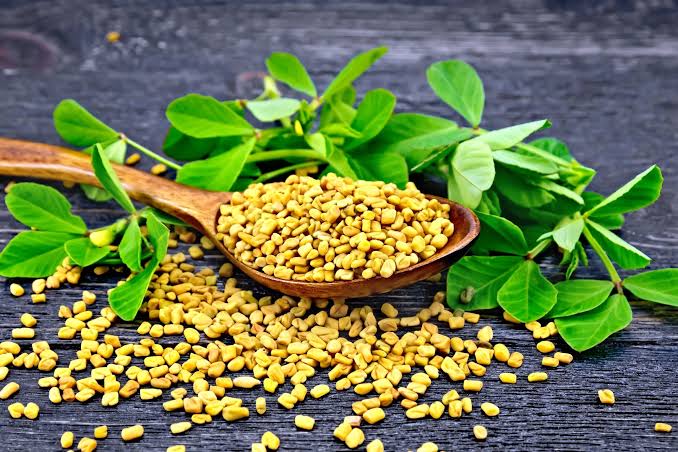
Fenugreek is one of the most familiar ingredients in South Asian kitchens, yet its value extends beyond its distinctive bitter flavor. Commonly called methi, these small golden-brown seeds have a long history in traditional food preparation and herbal practices.
The growing interest in fenugreek seeds benefits comes from research into their fiber content, plant compounds and possible effects on blood glucose regulation. However, traditional use and scientific proof are not always the same thing.
This guide explains what fenugreek seeds contain, how they may support women’s health and digestion, what research says about blood sugar, and how to include them safely in everyday meals.
What Are the Main Fenugreek Seeds Benefits?
Fenugreek seeds are edible seeds obtained from the plant Trigonella foenum-graecum. They contain dietary fiber, plant-based compounds and small amounts of protein and minerals.
Research suggests that fenugreek may help support blood sugar management in some people with type 2 diabetes. Its fiber may contribute to digestive health, while traditional uses for women’s health and breastfeeding remain insufficiently supported by high-quality clinical evidence.
The seeds are best treated as a nutritious culinary ingredient rather than a replacement for medical treatment.
Understanding Fenugreek Seeds and Their Nutritional Value
Fenugreek belongs to the legume family, which also includes chickpeas, lentils and peas. The plant produces small leaves and pods containing hard, yellowish-brown seeds.
In Pakistan, India and other South Asian countries, fenugreek is commonly known as methi dana.
It has a slightly bitter taste with a distinctive aroma that becomes more pronounced when the seeds are roasted.
What nutrients do fenugreek seeds contain?
Fenugreek seeds contain several nutritional components:
- Dietary fiber: Helps support normal digestion and bowel function.
- Plant protein: Contributes a modest amount of protein.
- Iron: An essential mineral involved in oxygen transport.
- Magnesium: Supports normal muscle and nerve function.
- Manganese: Participates in several metabolic processes.
- Plant compounds: Include saponins, flavonoids and other naturally occurring substances.
One particularly interesting component is galactomannan, a soluble fiber found in fenugreek seeds.
Soluble fiber absorbs water and forms a gel-like substance. This property may influence how quickly food moves through the digestive tract and how carbohydrates are absorbed.
Why are these seeds different from ordinary spices?
Many spices are used primarily to provide flavor. Fenugreek is interesting because it contributes both flavor and fiber-containing plant material.
However, adding a small quantity of seeds to food does not automatically provide a medicinal effect.
The amount consumed, preparation method, overall diet and individual health conditions all matter.
Potential Benefits for Women’s Health
Women frequently encounter fenugreek in traditional wellness practices, especially those related to menstruation, breastfeeding and hormonal health.
Some of these uses have been investigated in clinical studies, but the available evidence varies considerably.
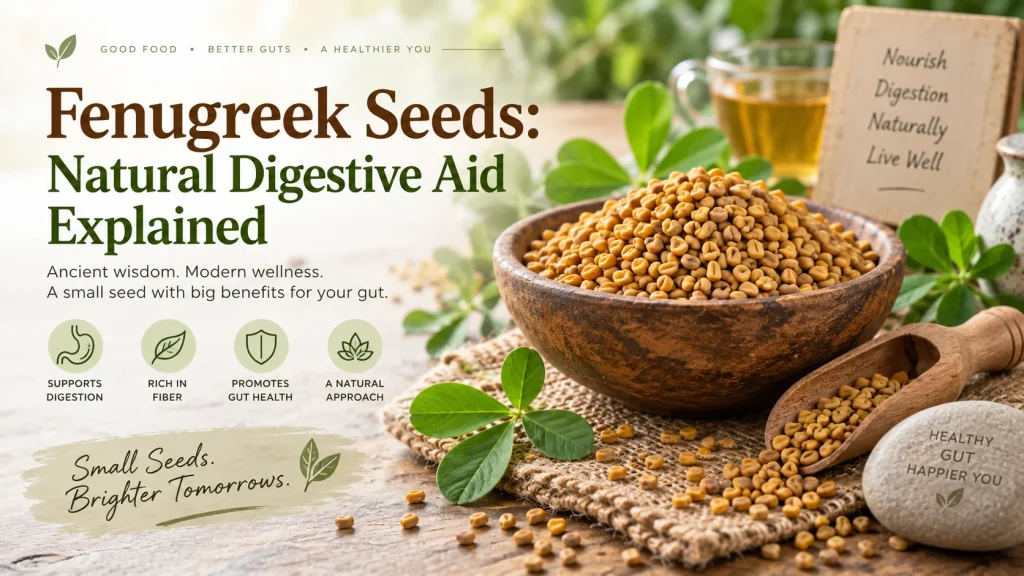
Menstrual comfort
Fenugreek has traditionally been used to manage menstrual discomfort.
Some small studies have investigated its possible effects on menstrual cramps. However, the evidence is limited, and researchers have not established that fenugreek reliably reduces menstrual pain.
Women experiencing severe cramps, unusually heavy bleeding or irregular periods should not rely on herbal preparations instead of medical evaluation.
Breastfeeding and milk production
One of the most widely discussed traditional uses involves breastfeeding.
Fenugreek is commonly promoted as a galactagogue, meaning a substance intended to increase breast milk production.
However, scientific findings are mixed.
Some small studies have reported improvements in milk production, while other research has not demonstrated a reliable effect. The National Center for Complementary and Integrative Health also highlights the lack of sufficient high-quality evidence.
NCCIH+1
Breastfeeding mothers should consider the following:
- Low milk supply should first be assessed by a qualified lactation professional.
- Feeding frequency and effective milk transfer are important.
- Supplement use should be discussed with a healthcare provider.
- Fenugreek supplements may cause digestive symptoms or allergic reactions.
Important: Fenugreek supplements are not automatically safe simply because the seeds are used in cooking.
Menopause and hormonal balance
Fenugreek contains plant compounds, including saponins and phytoestrogen-related substances, that have attracted scientific interest.
Some preliminary research has explored possible effects on menopausal symptoms and metabolic health.
However, there is insufficient evidence to recommend fenugreek as a treatment for hot flashes, hormonal imbalance or menopause-related conditions.
It is also inaccurate to claim that fenugreek reliably increases estrogen or corrects hormonal disorders.
Women with persistent menopausal symptoms should discuss evidence-based treatment options with their healthcare providers.
General nutritional support
Fenugreek can contribute fiber and other nutrients to meals.
A balanced diet containing vegetables, whole grains, beans, lentils, nuts and seeds provides a more reliable foundation for women’s nutritional health than relying on one herbal ingredient.
How Fenugreek May Support Digestive Health
Digestion is one area where fenugreek’s nutritional composition makes it particularly interesting.
The seeds contain soluble fiber, which absorbs water and can form a gel-like material during digestion.
This characteristic helps explain why fenugreek is traditionally associated with digestive wellness.
Supporting regular bowel movements
Dietary fiber helps maintain normal bowel function.
When combined with sufficient water and an overall fiber-rich diet, it can support regular bowel movements.
However, suddenly consuming large amounts of fenugreek may have the opposite effect for some individuals.
Possible digestive reactions include:
- Gas
- Bloating
- Abdominal discomfort
- Loose stools
- Diarrhea
The best approach is to introduce fiber-containing foods gradually.
Understanding soluble fiber
Soluble fiber interacts with water in the digestive tract.
It can slow the movement of food through certain digestive processes and may influence nutrient absorption.
This is one reason fiber-rich foods are commonly included in diets designed to support metabolic health.
Fenugreek should still be considered one small part of a broader dietary pattern.
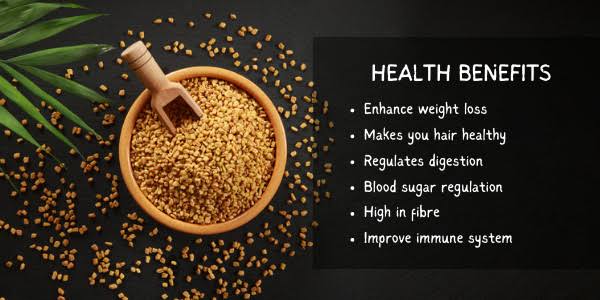
Can fenugreek help with constipation?
Fiber can help support bowel regularity, but fenugreek has not been established as a proven constipation treatment.
If constipation occurs frequently, consider reviewing:
- Daily water intake.
- Consumption of vegetables and fruits.
- Whole-grain intake.
- Physical activity.
- Medication-related causes.
Persistent constipation, blood in the stool, unexplained weight loss or severe abdominal pain requires medical attention.
Can fenugreek reduce bloating?
Not necessarily.
Although fenugreek is traditionally used for digestive complaints, its fiber and fermentable components may actually increase gas in some people.
If you already experience bloating or irritable bowel symptoms, introduce it cautiously as a food ingredient rather than immediately using concentrated supplements.
How fenugreek (methi) seeds in hot water helps you lose weight: The truth behind the benefits
Caption: Soaking methi seeds softens their texture and makes them easier to incorporate into certain recipes. Soaking does not guarantee a medicinal effect or remove all possible digestive reactions.
Fenugreek and Blood Sugar Management
Blood glucose regulation is one of the most researched potential uses of fenugreek.
Some clinical studies suggest that fenugreek may influence glucose levels in people with type 2 diabetes.
Its soluble fiber may slow carbohydrate absorption, while certain plant compounds have also been investigated for their possible effects on glucose metabolism.
What does scientific research say?
A 2023 systematic review and meta-analysis examined 14 clinical trials involving 894 participants.
The researchers evaluated fasting glucose, post-meal glucose and HbA1c.
The analysis found a statistically significant reduction in HbA1c, but results for fasting and post-meal glucose were not statistically significant. The researchers also highlighted limitations in study quality and differences between trials.
PubMed
A later systematic review published in 2025 also reported improvements in several glucose-related measures, while identifying the need for higher-quality research.
PubMed Central (PMC)
These findings are promising, but they do not establish fenugreek as a diabetes treatment.
How might fenugreek influence glucose absorption?
There are several proposed explanations.
1. Soluble fiber
The fiber in fenugreek can form a gel-like substance when mixed with water.
This may slow the digestion and absorption of carbohydrates.
2. Plant compounds
Researchers have investigated compounds such as 4-hydroxyisoleucine for their possible role in insulin-related pathways.
3. Overall dietary effects
Adding fiber-rich foods to meals may help improve dietary quality and carbohydrate management.
It is difficult to determine how much of any observed effect comes from fenugreek itself rather than other dietary or lifestyle changes.
Can people with diabetes consume fenugreek?
People with diabetes should consult their healthcare provider before using concentrated fenugreek supplements.
This is particularly important for anyone taking insulin or medicines that lower blood glucose.
Combining glucose-lowering medication with supplements that may also affect blood sugar could increase the risk of hypoglycemia.
Never stop, reduce or replace prescribed diabetes medication with fenugreek.
Fenugreek and Weight Management
Weight management is another reason people explore traditional herbal ingredients.
Fenugreek contains fiber, and fiber-rich foods can contribute to fullness as part of balanced meals.
However, there is no strong evidence that fenugreek independently produces meaningful or sustained weight loss.
How might fiber support appetite management?
Fiber-containing foods can:
- Add bulk to meals.
- Contribute to feelings of fullness.
- Support normal digestive function.
- Help create more satisfying meals.
These effects are not unique to fenugreek.
Oats, lentils, beans, vegetables, fruits and whole grains are also useful sources of dietary fiber.
Is fenugreek water a weight-loss drink?
Fenugreek water is prepared by soaking seeds in water.
Some people consume it as part of their morning routine.
However, there is no reliable evidence that drinking fenugreek water burns fat, accelerates metabolism or directly reduces belly fat.
For sustainable weight management, focus on:
- Appropriate portion sizes.
- Regular physical activity.
- Adequate sleep.
- Balanced meals.
- Consistent dietary habits.
💡 Quick Hack: Instead of purchasing expensive detox drinks, add a small culinary quantity of fenugreek to homemade lentil soup or vegetable dishes. This is a practical way to enjoy the ingredient without relying on exaggerated weight-loss claims.
Fenugreek Seeds Benefits for Heart and Cholesterol Health
Fenugreek has also been investigated for its potential effects on blood lipid levels.
Some studies suggest that fenugreek may influence total cholesterol and triglycerides.
The soluble fiber content may contribute to these effects.
However, research findings vary, and more reliable long-term studies are needed.
Understanding cholesterol
Cholesterol is a waxy substance that the body needs for normal cell function and hormone production.
The main concern is an unhealthy balance of blood lipids, particularly elevated LDL cholesterol and triglycerides.
Healthy lifestyle habits include:
- Eating more vegetables and whole grains.
- Choosing unsaturated fats.
- Limiting excessive saturated and trans fats.
- Maintaining regular physical activity.
- Avoiding tobacco.
- Managing existing medical conditions.
Fenugreek should not replace prescribed cholesterol-lowering treatment.
How to Use Fenugreek Seeds in Everyday Life
Fenugreek is relatively easy to incorporate into ordinary cooking.
You do not need expensive supplements or complicated preparations to enjoy its culinary qualities.
Here are several practical methods.
Method 1: Soaked fenugreek seeds
Caption: A bowl of fenugreek seeds soaking in water. This traditional preparation softens the seeds for cooking or eating.
What you need:
- A small quantity of food-grade fenugreek seeds.
- Drinking water.
- A clean glass or bowl.
- A covered container.
Preparation:
- Inspect the seeds and remove visible debris.
- Rinse them under clean running water.
- Place them in a clean glass bowl.
- Add enough drinking water to cover them.
- Cover the container.
- Refrigerate if soaking for an extended period.
- Drain the water when ready to use.
- Add the softened seeds to an appropriate recipe.
Practical note: Soaking is a food-preparation technique, not a clinically established treatment for diabetes, constipation or hormonal conditions.
Method 2: Fenugreek tea
Methi Dana – Infusion of yellow fenugreek seeds
Caption: A simple herbal infusion prepared using fenugreek seeds and hot water.
Ingredients:
- A small culinary quantity of fenugreek seeds.
- One cup of hot water.
- Optional lemon for flavor.
Preparation:
- Lightly rinse the seeds.
- Place them in a cup or small saucepan.
- Add hot water.
- Allow them to steep.
- Strain the seeds.
- Allow the drink to cool to a comfortable temperature.
Avoid treating this tea as a replacement for prescribed medication.
Method 3: Roasted fenugreek powder
Roasting can reduce some of the seeds’ harsh bitterness and improve their flavor.
Instructions:
- Place a clean, dry pan over low heat.
- Add the seeds.
- Stir continuously.
- Remove them once fragrant.
- Allow them to cool.
- Grind into powder.
- Store in an airtight container.
Use small culinary quantities in soups, curries, vegetable dishes or spice blends.
Method 4: Add fenugreek to meals
Fenugreek works particularly well in:
- Lentil curry.
- Vegetable dishes.
- Homemade spice mixes.
- Whole-grain flatbreads.
- Bean-based meals.
- Traditional pickles.
💡 Quick Hack: Add roasted fenugreek powder to homemade spice mixtures rather than purchasing separate herbal products. You can control the flavor and quantity while using ingredients already available in your kitchen.
Essential Ingredients and Materials
The following table provides a practical comparison for preparing fenugreek in different culinary forms.
Estimated costs are illustrative small-quantity shopping budgets in Pakistan, not verified retail quotations. Prices vary by city, shop and product quality.
| Material | Purpose | Estimated cost (PKR) | Skill level |
| Food-grade methi seeds (100 g) | Main ingredient | 100–250 | Beginner |
| Clean drinking water | Soaking and infusion | 0–50 | Beginner |
| Glass soaking bowl | Soaking seeds | 150–400 | Beginner |
| Small saucepan | Preparing tea | 300–800 | Beginner |
| Fine strainer | Filtering infusion | 100–250 | Beginner |
| Dry frying pan | Roasting seeds | 300–800 | Intermediate |
| Spice grinder | Making powder | 1,000–3,000 | Intermediate |
| Airtight storage jar | Keeping seeds fresh | 150–400 | Beginner |
💡 Quick Hack: You do not need a specialized herbal preparation kit. A clean bowl, drinking water, a household pan and a storage jar are sufficient for basic culinary use.
Choosing Good-Quality Fenugreek Seeds
The quality of the raw ingredient matters.
Poor storage conditions, moisture and contamination can affect the safety and quality of dried seeds.
What should you look for?
Choose seeds that are:
- Dry and firm.
- Relatively uniform in color.
- Free from visible mold.
- Free from insects.
- Free from excessive dust or foreign material.
- Stored in clean packaging.
Whole seeds versus powder
| Feature | Whole seeds | Ground powder |
| Storage | Generally easier | More sensitive to air and moisture |
| Freshness | Easier to inspect | Harder to assess |
| Flavor | Can be roasted | More immediately noticeable |
| Preparation | Requires grinding for powder | Ready to use |
| Shelf life | Often longer when properly stored | May lose aroma sooner |
Whole seeds are generally the more practical option for people who want to grind small quantities when needed.
💡 Quick Hack: Purchase smaller quantities if you use fenugreek occasionally. This reduces the chance of storing old seeds for extended periods.
Common Mistakes to Avoid
Even a familiar kitchen ingredient deserves sensible handling.
Here are five mistakes that can create unnecessary problems.
Mistake 1: Assuming natural means completely safe
Herbal ingredients contain biologically active substances.
Natural products can still cause side effects and interact with medications.
Better approach: Treat concentrated extracts and supplements with the same caution you would use for other health products.
Mistake 2: Consuming excessive quantities
Using large quantities in an attempt to achieve faster results can cause digestive discomfort.
Possible symptoms include diarrhea, nausea and bloating.
Better approach: Use normal culinary quantities and avoid experimenting with concentrated doses.
Mistake 3: Replacing prescribed medication
Some people believe an herbal ingredient can replace diabetes or cholesterol medication.
This can be dangerous.
Better approach: Discuss supplements with your healthcare provider and continue prescribed treatment unless your clinician changes it.
Mistake 4: Ignoring pregnancy precautions
Fenugreek supplements and medicinal quantities are not considered safe during pregnancy.
The NCCIH warns that consumption above normal food amounts may be associated with increased risks of birth defects.
NCCIH
Better approach: Avoid medicinal fenugreek preparations and supplements during pregnancy unless specifically advised by a qualified clinician.
Mistake 5: Buying unverified supplements
Products marketed as herbal capsules or extracts may differ in concentration and quality.
Better approach: Check the manufacturer, ingredients, expiry date and quality certifications. Ask a healthcare professional whether the product is appropriate for you.
Safety, Side Effects and Important Precautions
A balanced discussion of herbal ingredients must include their potential risks.
Fenugreek is generally considered safe for most people when consumed in quantities commonly found in food.
However, larger amounts may cause problems.
Common side effects
Possible side effects include:
- Nausea.
- Diarrhea.
- Gas.
- Bloating.
- Abdominal discomfort.
- Allergic reactions.
Some people may also notice a maple-syrup-like odor in sweat or urine after consuming fenugreek.
Who should avoid concentrated fenugreek preparations?
Pregnant women: Avoid medicinal amounts and supplements. Normal culinary exposure is different from concentrated supplementation.
People with diabetes: Discuss supplementation with a healthcare professional because fenugreek may influence blood glucose.
People taking blood-thinning medication: Ask a clinician or pharmacist about potential interactions, particularly with warfarin.
People with legume allergies: Fenugreek may cause allergic reactions, and cross-reactivity with other legumes is possible.
Breastfeeding mothers: Safety data for larger medicinal amounts are limited. Discuss supplements with a healthcare provider before use.
People scheduled for surgery: Tell the surgical team about herbal supplements and follow their instructions about when to stop them.
Seek urgent medical attention if you experience facial swelling, breathing difficulties or a severe allergic reaction.
For a detailed overview of these precautions, consult the National Center for Complementary and Integrative Health fenugreek safety guide.
12. Advanced Tips for Getting the Most From Fenugreek
You can improve the culinary experience without relying on complicated preparation methods.
Tip 1: Roast carefully
Fenugreek can become unpleasantly bitter if overheated.
Use low heat and stir frequently.
Tip 2: Combine it with complementary ingredients
Fenugreek works well with:
- Cumin.
- Coriander.
- Turmeric.
- Garlic.
- Ginger.
- Black pepper.
These ingredients provide flavor and variety in everyday meals.
Tip 3: Keep whole seeds separate from ground powder
Ground spices lose aroma more quickly when exposed to air, moisture and heat.
Keep them in separate airtight containers.
Tip 4: Avoid unnecessary supplementation
If your goal is simply to enjoy fenugreek as a food, there is no reason to automatically purchase concentrated capsules or extracts.
Tip 5: Think about your entire diet
A single ingredient cannot compensate for an otherwise unbalanced eating pattern.
Combine fenugreek with vegetables, legumes, whole grains, fruit and appropriate protein sources.
💡 Quick Hack: Prepare a small batch of roasted fenugreek powder and combine it with your regular homemade spice mix. This makes it easier to use consistently in cooking without creating a separate daily supplement routine.
Troubleshooting and Storage Guide
Proper storage helps maintain the quality of dried fenugreek seeds.
| Problem | Possible reason | Practical solution |
| Seeds smell unusual | Moisture or contamination | Discard questionable seeds |
| Seeds develop mold | Improper storage | Discard the entire affected batch |
| Powder loses aroma | Long storage or air exposure | Prepare smaller batches |
| Tea tastes excessively bitter | Too many seeds or excessive steeping | Adjust culinary preparation |
| Bloating after consumption | Individual digestive sensitivity | Stop or reduce consumption |
| Seeds contain insects | Poor packaging or storage | Discard and inspect storage area |
How should fenugreek seeds be stored?
Follow these simple practices:
- Keep seeds in a clean, airtight container.
- Store them in a cool, dry cupboard.
- Keep them away from direct sunlight.
- Avoid introducing wet spoons into the container.
- Check the seeds periodically for moisture or insects.
- Follow the package expiry date.
Do not attempt to rescue moldy seeds by roasting or washing them.
How Fenugreek Compares With Other Common Seeds
Fenugreek is not the only seed used in traditional diets. Flaxseed, chia seeds, cumin and fennel are also popular choices.
Understanding their differences helps readers choose ingredients according to their nutritional needs.
| Seed | Main nutritional feature | Common culinary use |
| Fenugreek | Soluble fiber and plant compounds | Curries, spice blends and infusions |
| Flaxseed | Fiber and alpha-linolenic acid | Smoothies and breakfast foods |
| Chia seeds | Fiber and plant-based omega-3 fats | Puddings and drinks |
| Cumin | Aromatic plant compounds | Curries and roasted dishes |
| Fennel | Aromatic compounds and fiber | Tea and seasoning |
These seeds are not interchangeable treatments.
For example, flaxseed is a dietary source of alpha-linolenic acid, whereas fenugreek is particularly interesting for its soluble fiber and research into glucose metabolism.
Which seed should you choose?
Your choice depends on your dietary requirements.
- Choose flaxseed when you want to add plant-based omega-3 fats.
- Choose chia seeds for a convenient source of fiber.
- Choose cumin for flavoring savory meals.
- Choose fennel for its distinctive aromatic flavor.
- Choose fenugreek when you enjoy its flavor and want to include another fiber-containing ingredient in your diet.
💡 Quick Hack: Rather than purchasing expensive mixed-seed supplements, keep a few whole food ingredients in your kitchen and rotate them through meals. Variety is generally more useful than relying on one ingredient.
What Does the Research Actually Tell Us?
A common problem with herbal health information is that traditional uses, laboratory experiments and human clinical studies are often presented as if they provide the same level of evidence.
They do not.
Understanding the difference helps readers make better decisions.
Traditional use
Traditional use means that communities have used an ingredient for a particular purpose over generations.
Fenugreek has traditionally been used for digestive complaints, menstrual discomfort and breastfeeding support.
This history can provide useful research questions, but it does not independently prove effectiveness.
Laboratory research
Laboratory studies investigate how individual plant compounds behave under controlled conditions.
For example, researchers have studied fenugreek compounds for their possible effects on glucose-related biological pathways.
However, an effect observed in a laboratory does not automatically occur in the human body after eating the whole seed.
Human clinical research
Clinical studies examine what happens when people consume fenugreek under defined conditions.
These studies provide more directly relevant evidence, but their results depend on:
- Number of participants.
- Study duration.
- Type of fenugreek preparation.
- Quantity consumed.
- Participants’ health conditions.
- Other medications and dietary habits.
Why do research findings sometimes differ?
Different studies may use whole seeds, seed powder, extracts or combinations of herbs.
These preparations are not necessarily equivalent.
Some trials also involve small groups of participants, making it difficult to draw broad conclusions.
This explains why health organizations can acknowledge promising research while still stating that evidence is insufficient to recommend fenugreek for treating a medical condition.
For readers interested in deeper scientific information, these resources are useful:
- NCCIH: Fenugreek – Usefulness and Safety.
- PubMed: Systematic Review of Fenugreek and Hyperglycemia.
- NIH LactMed: Fenugreek During Lactation.
Frequently Asked Questions
1. What are the most important fenugreek seeds benefits?
The most interesting potential benefits involve dietary fiber, digestive support and possible improvements in certain blood glucose measurements in people with type 2 diabetes. However, evidence for medicinal uses remains limited, and results differ between studies. Fenugreek is best consumed as part of a balanced diet rather than used as a standalone treatment.
2. Can women consume fenugreek seeds every day?
Fenugreek can be included in everyday meals in normal culinary quantities by most people who tolerate it. However, daily use of concentrated supplements is a different matter. Women who are pregnant, breastfeeding, taking medication or managing a medical condition should seek professional advice before using medicinal quantities.
3. Is drinking fenugreek water in the morning beneficial?
Soaked fenugreek water is a traditional preparation. It provides a convenient way to consume the ingredient, but there is no established evidence that drinking it on an empty stomach produces special benefits. It should not be marketed as a detox drink or a proven treatment for diabetes or weight loss.
4. Do fenugreek seeds help control diabetes?
Some clinical trials and systematic reviews suggest that fenugreek may improve certain glucose-related measurements. However, study quality, dosage and preparation methods vary. People with diabetes should consult their healthcare providers before taking supplements, especially if they use insulin or other glucose-lowering medicines.
5. Can fenugreek increase breast milk production?
Fenugreek has traditionally been used to support lactation, but clinical findings are mixed. It has not been established as a reliable way to increase milk production. Breastfeeding mothers experiencing low supply should seek advice from a lactation professional or healthcare provider before trying herbal supplements.
6. What are the side effects of fenugreek seeds?
Possible side effects include gas, diarrhea, nausea, bloating and allergic reactions. Larger quantities may cause a harmful drop in blood glucose. Fenugreek supplements should be avoided during pregnancy, and people taking medication should discuss potential interactions with a healthcare professional.
Final Thoughts: Should You Include Fenugreek in Your Diet?
Fenugreek is a familiar ingredient with an interesting nutritional profile and a long history of culinary and traditional use.
Its soluble fiber and plant compounds have attracted scientific attention, particularly in research involving glucose metabolism. However, the evidence does not support treating it as a cure for diabetes, hormonal problems, digestive disorders or other medical conditions.