
Ashwagandha is everywhere—from stress-support capsules to bedtime drinks—but deciding whether to try it is less straightforward than the advertising suggests. This guide examines ashwagandha benefits and side effects, explains what human studies actually show, and gives practical checks for buying and using supplements more safely.
Readers will learn where the evidence is promising, which claims remain weak, who should avoid the herb, and how to spot a product that is more transparent about its ingredients. The goal is an informed decision, not a sales pitch.
Quick answer: What are the benefits and risks?
Ashwagandha may modestly improve perceived stress and certain measures of sleep in some adults, based mainly on small, short-term studies. It can also cause nausea, loose stools, and drowsiness. Rare liver injury, possible thyroid effects, and medicine interactions make professional advice important before use, especially with existing conditions.
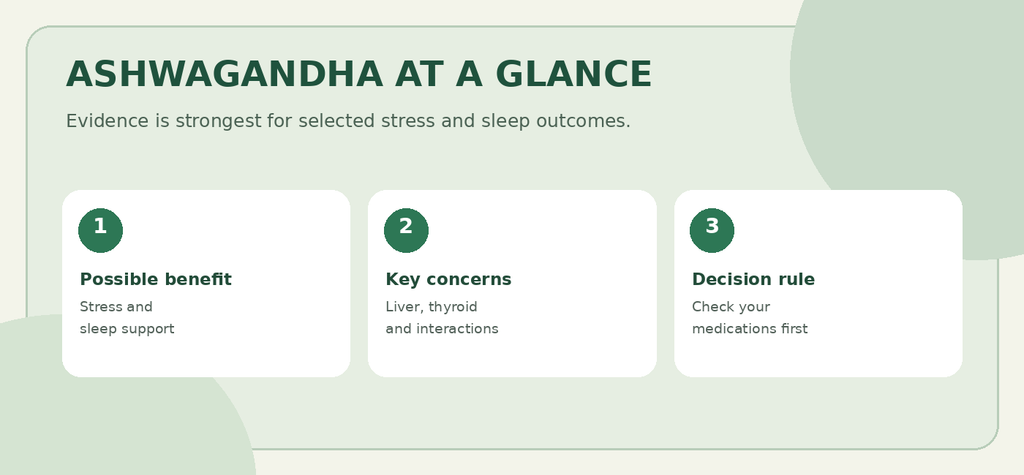
Figure 1. Evidence is strongest for selected stress and sleep outcomes.
What is ashwagandha, exactly?
Ashwagandha (Withania somnifera) is a small shrub used in Ayurvedic and Unani traditions. Its name often appears alongside “Indian ginseng” or “winter cherry,” although it is botanically distinct from true ginseng. Commercial products may use powdered root, concentrated root extracts, or a combination of root and leaf.
Some products list withanolides, a family of naturally occurring compounds used as a standardisation marker. That number may help compare two versions of a similar extract, but it does not prove purity, safety, or better results. Extraction method, plant part, testing and the actual amount swallowed still matter.
The word adaptogen is common on labels. It is a marketing and traditional-use term, not a guarantee that a product will “balance” every hormone or treat any diagnosed illness. Controlled trials have tested particular preparations against placebo, not every item sold under the same plant name.
What research actually says about the claimed benefits
1. Perceived stress: promising, not guaranteed
Several trials involving stressed adults found lower self-reported stress scores after roughly six to eight weeks of ashwagandha supplementation. Some also measured lower cortisol, a hormone involved in the stress response. However, studies were often small, used different extracts, and did not follow participants for years.
The practical interpretation is narrower than “ashwagandha cures stress.” A carefully characterised extract may help some adults feel less stressed over a limited period. It does not remove workplace pressures, replace counselling, or address causes such as poor sleep, financial strain, chronic pain or medication effects.
Pro-Tip: Write down a simple weekly stress rating from 0 to 10 before trying any new supplement. Without a baseline, it is easy to mistake normal ups and downs for a product effect.
2. Sleep quality: a small but measurable signal
A number of short trials have reported improvements in how quickly people fall asleep, how long they sleep, or how rested they feel. A review found overall effects were modest, with somewhat stronger signals among participants who already had insomnia. Sleep is affected by shift work, caffeine, anxiety, temperature, light and many medical conditions.
Anyone who snores loudly, wakes up gasping, experiences severe daytime sleepiness or has persistent insomnia should seek assessment rather than simply adding a sedating herb. Sleep apnoea and other disorders need appropriate evaluation. For short-lived sleep disruption, consistent wake times and reduced late-night screen use may be more reliable and less expensive first steps.
3. Anxiety symptoms: evidence is mixed and limited
Some studies report improvements on anxiety questionnaires, but the overall evidence is not robust enough to position ashwagandha as a proven treatment for anxiety disorders. The US National Center for Complementary and Integrative Health describes the evidence for anxiety as unclear. There is also a difference between feeling less tense during a busy week and treating generalised anxiety disorder.
Do not replace prescribed medicines, psychotherapy or an agreed mental-health care plan with a botanical product. Sudden changes in psychiatric medicines can cause withdrawal symptoms or relapse. Discuss supplements with the prescribing professional, especially where sedation or other interactions may be a concern.
4. Testosterone and fertility: preliminary findings only
Limited studies in selected men suggest possible changes in testosterone concentrations or semen parameters after two to four months. Participants, preparations and measured outcomes vary. These results cannot be generalised to every man, and they do not establish a treatment for infertility, erectile dysfunction or low testosterone.
Fertility concerns deserve a medical work-up because the causes may be hormonal, anatomical, genetic, medication-related or linked to other conditions. A supplement should not delay appropriate testing. Men with hormone-sensitive prostate cancer should avoid ashwagandha unless their specialist explicitly advises otherwise.
5. Energy, gym performance and focus: claims exceed evidence
Ashwagandha advertisements often promise more muscle, sharper focus, better glucose control and stronger immunity. These outcomes are not supported by the same level of convincing evidence as the limited stress and sleep findings. Different studies may use small groups, indirect measurements or combinations of ingredients, making specific conclusions difficult.
If fatigue is the reason for interest, first consider the common causes: short sleep, inadequate food intake, iron deficiency, thyroid problems, infections, depression or certain medicines. Treating the cause can deliver a much larger improvement than experimenting with an unproven supplement.
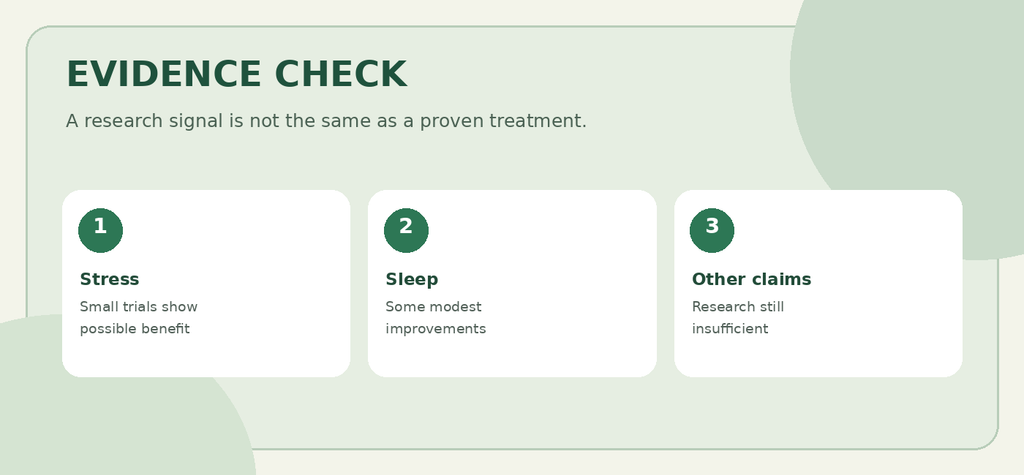
Figure 2. A research signal is not the same as a proven treatment.
Essential tools and materials: what you actually need
Buying supplements is not a DIY construction project, so the useful “tools” are a complete ingredient label, a medicine list, a trustworthy seller, and a way to monitor symptoms. The table below replaces misleading fixed prices with budget categories: Pakistan prices vary by brand, pack size, exchange rate and import status.
| Item or resource | Practical purpose | Typical budget impact | Skill needed |
| Current medication list | Check for potential interactions with a pharmacist | Free | Easy |
| Written product label | Identify plant part, serving and added ingredients | Included | Easy |
| Certificate of analysis or batch test | Assess evidence of identity, microbes and contaminants | Request from seller | Moderate |
| Pharmacist or clinician review | Screen contraindications and medical history | Consultation fee varies | Professional |
| Root powder | Traditional form, less standardised between products | Often lower price per pack | Moderate |
| Standardised capsule | Convenient measured amount; potency still varies | Often higher price per serving | Easy |
| Symptom diary | Log sleep, nausea, rash, mood and dates | Free | Easy |
| Original packaging | Keep lot number and expiry for adverse-event reporting | Included | Easy |
When reviewing ashwagandha benefits and side effects, a transparent label is a basic requirement, not a premium feature.
ashwagandha benefits and side effects
Cost comparison tip: divide the full pack price by the number of labelled servings, then compare cost per serving—not merely the sticker price. Never use a bargain as a reason to overlook unclear ingredients, missing batch information or questionable sourcing.
Step-by-step: decide whether ashwagandha is appropriate
Define a single realistic goal
Start by writing one reason for considering it, such as persistent but mild perceived stress or trouble settling at bedtime. Avoid an open-ended goal like “improve everything.” It makes evaluating usefulness impossible and increases the temptation to keep adding products. Decide what would count as a meaningful change and discuss whether the goal warrants formal clinical evaluation.
If anxiety interrupts daily activities, insomnia lasts for weeks, or fatigue has no clear explanation, obtain appropriate care. Herbal supplements should not be used as a shortcut around diagnosis. Ashwagandha benefits and side effects should be assessed against the problem you want to solve rather than against a list of promotional claims.
Screen for reasons to avoid it
Do not use ashwagandha during pregnancy or breastfeeding. Major US health guidance also advises against its use around surgery and for people with autoimmune or thyroid disorders unless a qualified clinician addresses the situation. A history of serious liver disease, especially cirrhosis, raises further concern because published cases include severe outcomes.
People with hormone-sensitive prostate cancer should avoid it. Anyone under 18 should not be treated as a miniature adult: paediatric safety and effectiveness are not established. A medicine review is essential when treatment includes thyroid hormone, medicines for diabetes or high blood pressure, sedatives, anti-seizure medicines or drugs that suppress immune function.
💡 Quick Hack: Photograph the front and back of the supplement label and take those pictures to the pharmacy along with a list of current medicines. A five-minute check can reveal ingredients that are missing from a product’s online headline.
Compare the exact preparation—not just the plant name
Before making a purchase, compare ashwagandha benefits and side effects for the specific extract rather than a generic plant description.
A jar labelled “500 mg ashwagandha” may contain ground root, a concentrated root extract or a blend of several ingredients. These are not automatically equivalent. Read the botanical name, part used, extract amount per serving, standardisation statement and any additional herbs. Avoid proprietary blends that obscure how much of each ingredient is present.
In clinical studies, doses varied widely because extracts differed in composition. Some stress and sleep trials studied 250–600 mg/day of specific root extracts, but that range is not a universal safe or effective dose for every product. More milligrams do not reliably mean more benefit, and concentrated formulations cannot be converted casually into teaspoons of powder.
Look for the manufacturer’s full name, expiry, lot or batch number, storage instructions and a channel for reporting quality concerns. For Pakistan readers, imported products also need careful verification of local seller legitimacy and original packaging. A product with poor traceability is a poor choice even when its advertisement looks professional.
Verify quality claims
Ask whether the company can provide independent batch testing for identity, microbial contamination, heavy metals and relevant adulterants. A real certificate should identify the product and batch rather than presenting a generic “lab tested” graphic. Testing does not guarantee a particular outcome, but it makes the supply chain more transparent.
Check that photos and label details match the delivered pack. Be wary of miracle promises, exaggerated “clinically proven” claims that fail to name the tested formulation, and aggressive before-and-after testimonials. An expensive product can still be poor quality; a lower-cost one may be adequate if its contents and testing are clear.
💡 Quick Hack: Ask the seller one specific question—“Can you provide the independent test report for this exact batch?” The quality of the answer often tells you more than five pages of marketing copy.
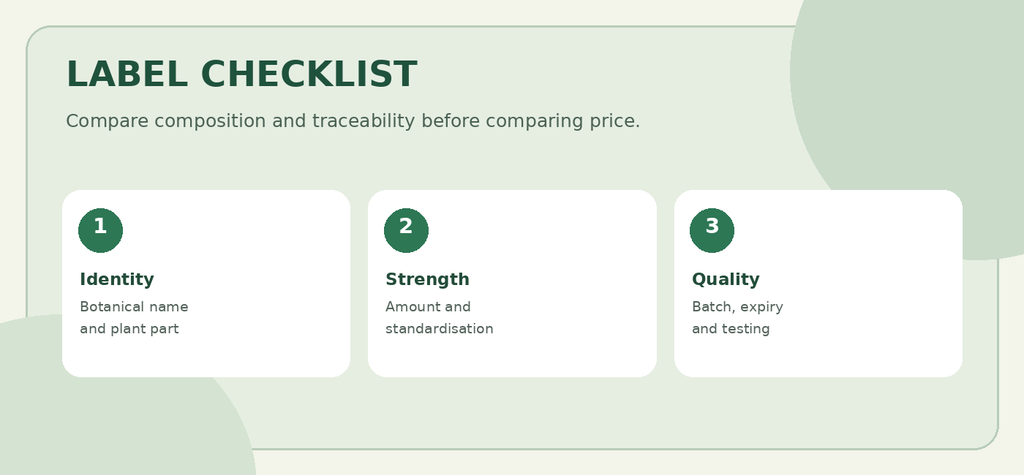
Figure 3. Compare composition and traceability before comparing price.
Discuss the plan before the first dose
A pharmacist or clinician can compare the proposed product against prescription and over-the-counter medicines. This is especially important when blood glucose or blood pressure is already being treated, because taking additional products with possible physiological effects can complicate monitoring. Do not stop, reduce or rearrange prescribed medicines independently.
If your clinician considers a short, monitored trial reasonable, agree on the specific product, label directions, monitoring points and when to stop. There is no universal medically validated self-prescribing schedule. Avoid combining ashwagandha with alcohol or sedating products without professional review, and do not drive if it makes you drowsy.
Track outcomes and side effects honestly
Record the start date, product, batch, actual daily amount, time taken, other medicines and any new symptoms. Keep a short weekly record of the one intended outcome—stress rating or sleep quality. Do not change several supplements at once; otherwise it may be impossible to identify the source of a new problem.
Stop using the product and seek medical advice if troublesome symptoms appear. For jaundice, dark urine, unusually pale stools, marked itching, persistent vomiting or severe abdominal pain, stop the supplement and seek urgent medical assessment. Keep the packaging because the clinician may need its ingredients and batch details.
Pro-Tip: Put a 6–8 week review date on your calendar if a clinician has agreed to a trial. If there is no meaningful benefit, continuing indefinitely adds cost and exposure without a clear payoff.
Reassess rather than automatically refilling
Most relevant trials followed adults for weeks, not years, and safety beyond roughly three months has not been established. A positive experience over a few weeks is not proof of indefinite safety. Review whether the original problem improved, whether other treatment is needed, and whether the supplement is worth continuing.
At every refill, check the batch, ingredients and manufacturer details again. Formulas change, sellers change and new medicines may have been prescribed since the previous purchase. A fresh check is particularly important for anyone whose thyroid or liver health has changed.
Ashwagandha powder vs capsules vs gummies
| Form | Main advantage | Main limitation | Practical recommendation |
| Root powder | Traditional preparation; flexible use | Variable taste, measurement and composition | Only if the label clearly identifies the root and amount |
| Standardised capsules | Convenient and labelled serving | Extract strength and testing differ by brand | Compare exact extract and quality documentation |
| Gummies | Easy to take | Extra sugars, additives or complex blends | Read full ingredient list; do not assume gentle means safer |
| Multi-herb blends | One pack may combine products | Harder to attribute benefits and adverse effects | Prefer simpler, clearly disclosed formulas |
For anyone comparing ashwagandha benefits and side effects, formulation matters. A result observed with one standardised extract cannot automatically be promised for unstandardised powder or a gummy containing several unrelated herbs.
Side effects: what to watch for and how to respond
Common, generally milder reactions
A practical ashwagandha benefits and side effects checklist separates mild intolerance from symptoms requiring urgent evaluation.
The most frequently described unwanted effects include nausea, upset stomach, diarrhoea, loose stools and drowsiness. They may appear soon after use, but a reaction can occur at another point in the course. Do not assume that a “natural” product cannot be the cause, and do not increase the amount to push through discomfort.
If a symptom is persistent or concerning, stop taking the product and talk to a healthcare professional. Sedation matters when operating machinery, driving, caring for small children at night or taking medicines that already cause sleepiness. A rash, swelling or breathing difficulty may indicate an allergic reaction and requires prompt attention; breathing difficulty is an emergency.
Rare but serious: possible liver injury
LiverTox and recent clinical reports describe instances of clinically apparent liver injury associated with ashwagandha products. This appears uncommon relative to widespread use, but reliable population risk estimates are lacking. Some reported patients developed jaundice and itching after several weeks; people with pre-existing advanced liver disease may face particularly serious consequences.
Possible warning signs include yellow skin or eyes, dark urine, pale stool, severe itching, loss of appetite, unusual fatigue, vomiting or abdominal pain. Stop the supplement and arrange urgent assessment if these occur. Do not restart a product implicated in suspected liver injury without specialist guidance.
Thyroid changes and medication interactions
Small studies and case reports suggest the herb may affect thyroid hormone levels in some people. That makes use particularly risky when thyroid disease is already present or treatment doses are being adjusted. Symptoms such as palpitations, tremor, heat intolerance, sweating or unexpected weight loss should not be dismissed as normal adaptation.
Potential interactions also involve medicines that lower blood sugar or blood pressure, sedatives, anticonvulsants and immunosuppressants. This is not an exhaustive interaction list, so bring the full product formula to a pharmacist instead of checking only the headline herb. Never change a medicine dose solely because a supplement label mentions “hormone balance.”
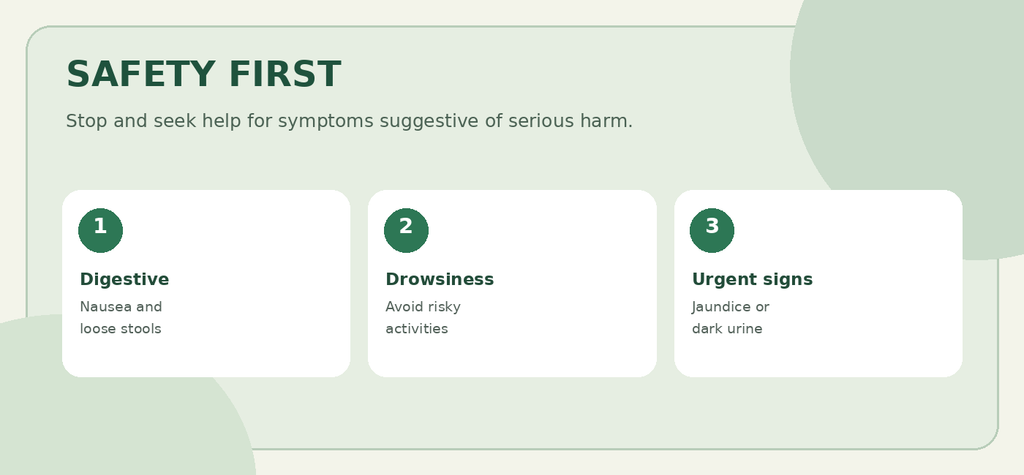
Figure 4. Stop and seek help for symptoms suggestive of serious harm.
Who should avoid ashwagandha?
The safest response to contraindications is not “take a smaller dose.” Avoid or obtain condition-specific professional guidance when the risk profile is uncertain. The following groups deserve particular caution:
Pregnant or breastfeeding people: avoid use because safety is not established and major authorities advise against it.
People with autoimmune or thyroid disorders, or those preparing for surgery: do not self-start; seek individual advice.
People with cirrhosis or serious chronic liver disease: avoid due to potentially severe liver outcomes.
People taking interacting medicines, including sedatives, thyroid hormone, diabetes or blood-pressure medicines, anticonvulsants and immunosuppressants.
Men with hormone-sensitive prostate cancer: avoid use according to major safety guidance.
Children and adolescents: do not assume adult products and studied doses apply to them.
This list is not exhaustive. Ashwagandha benefits and side effects vary with medical history, the extract used and other substances taken at the same time. The best personal safety check is an up-to-date medication and health review.
Five common mistakes beginners make
Mistake 1: Equating “natural” with “safe.” Plants can contain biologically active compounds. Prevent the error by screening medicines and medical conditions first.
Mistake 2: Comparing milligrams across unrelated extracts. A whole-root powder is not the same as a concentrated extract. Compare plant part, preparation and standardisation.
Mistake 3: Treating early drowsiness as proof of better sleep. Feeling sedated is not necessarily restorative sleep. Assess daytime alertness and consistent sleep patterns.
Mistake 4: Buying from an unknown seller because of a discount. Ask for batch traceability, clear ingredient disclosures and credible testing instead of accepting unsupported purity claims.
Mistake 5: Continuing indefinitely without reviewing results. Most clinical trials were short. Set a review point with a clinician and discontinue if there is no worthwhile benefit.
Advanced tips for better decisions without overspending
💡 Quick Hack: Start with a free sleep audit. For seven nights, record your bedtime, waking time, caffeine intake and screen use. Changes to routine may reveal a bigger issue than the absence of a supplement.
💡 Quick Hack: Compare cost per evidence-based goal. Ask whether the specific extract has human trials for the outcome you care about. Paying extra for ten unrelated claims is rarely useful.
💡 Quick Hack: Keep a single-page supplement inventory. List every herb, vitamin, protein powder and over-the-counter medicine. Mixed products can duplicate ingredients without making the overlap obvious.
Pro-Tip: Check for hidden caffeine and sedatives. Some “calm” or “focus” formulas add other active ingredients. Those additions may explain how you feel, complicate interactions, or invalidate conclusions about ashwagandha alone.
Pro-Tip: Use a pharmacist as a quality filter. A pharmacist who reviews medications and packaging can be a more valuable investment than selecting the most expensive imported bottle.
Pro-Tip: Give non-supplement alternatives a fair trial. Regular exercise, light exposure soon after waking, a stable sleep window, stress-management skills and an appropriate medical assessment often have broader benefits. They also make it easier to tell whether a supplement adds meaningful value.
Troubleshooting and long-term management
Problem: I feel sleepy or sluggish the next day
Do not drive or operate machinery while drowsy. Stop use and review other sedating medicines, alcohol intake and sleep duration with a clinician or pharmacist. Taking a product at a different time does not solve the underlying interaction or safety question.
Problem: My stomach feels upset
Stop the product if symptoms are troublesome, and assess whether other new foods or medicines were started. Persistent diarrhoea, dehydration, blood in stool or significant abdominal pain deserves medical attention. Do not automatically hide the symptoms by adding another supplement.
Problem: It has not helped after several weeks
Revisit your original ashwagandha benefits and side effects expectations before spending more or changing products.
First check whether the goal was measurable and whether another condition might explain the symptoms. Do not escalate beyond the label or assume a larger dose is better. Discuss whether to discontinue rather than purchasing a “stronger” formulation without evidence.
Problem: The product changed colour, smell or seal
Do not use products with a broken seal, unclear expiry, visible moisture or unexpected contamination. Store in the conditions printed on the pack, usually away from heat and humidity. In Pakistan’s warm seasons, bathrooms, kitchens near stoves and sunlit windowsills are poor storage locations.
Problem: I started a new prescription medicine
Treat this as a fresh interaction review. Tell the prescriber and pharmacist about every supplement rather than waiting for a reaction. Keep the original pack; brand names alone may not reveal how the extract was prepared or what else the product contains.
Problem: I suspect liver or thyroid symptoms
Stop the supplement and seek prompt clinical assessment; jaundice and dark urine warrant urgent care. Bring exact product details and timing. A healthcare professional may order appropriate tests and consider other potential causes, rather than assuming or dismissing a single explanation.
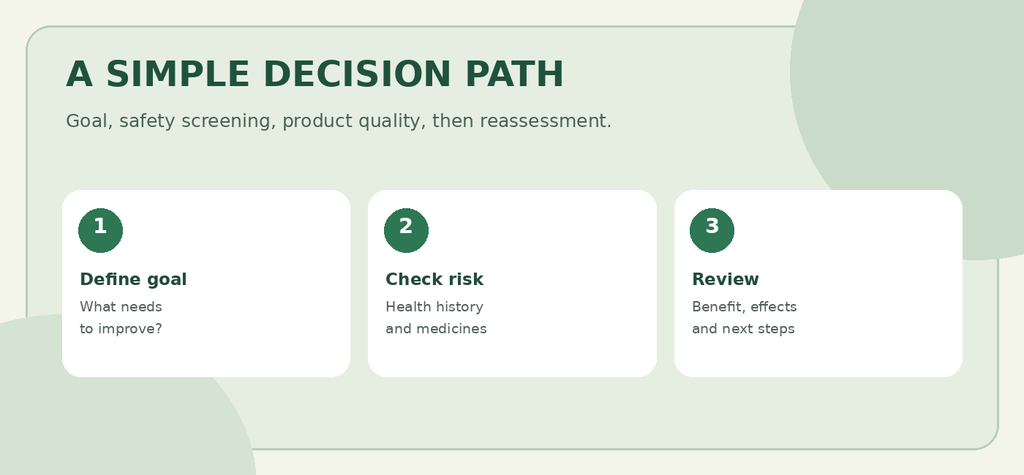
Figure 5. Goal, safety screening, product quality, then reassessment.
A final ashwagandha benefits and side effects review should include every new medicine, medical diagnosis and batch change.
Frequently asked questions
1. How long does ashwagandha take to work?
In clinical trials that reported stress or sleep improvements, outcomes were commonly assessed over about six to eight weeks, sometimes longer. That does not mean every person will notice a change or that continued use is appropriate. Set a realistic review point with your healthcare professional and measure the specific outcome rather than relying on expectation.
2. What is the best time of day to take ashwagandha?
There is no universally established best time. Study protocols vary, and timing does not remove concerns about medicine interactions or drowsiness. If a clinician approves a particular product, follow its verified directions and discuss scheduling around other medicines. Avoid unsafe activities if you feel sedated.
3. Is ashwagandha safe for women?
Safety depends on medical circumstances, not gender alone. Pregnancy and breastfeeding are clear reasons to avoid it. Anyone with thyroid disease, liver concerns or medicines that may interact should seek individual advice. Evidence for menopause, fertility and other frequently advertised women’s health benefits remains insufficient.
4. Can ashwagandha damage the liver?
Yes, rare cases of liver injury have been linked to products containing ashwagandha. The frequency is uncertain, and some cases involved serious outcomes, particularly among people with pre-existing liver disease. Yellow eyes or skin, dark urine or severe itching are warning signs requiring urgent evaluation. Do not restart a suspected product.
5. Can I combine ashwagandha with blood pressure or diabetes medicines?
Do not combine them without a pharmacist or prescriber reviewing the situation. Potential effects on blood pressure or blood glucose could complicate management, and product blends may contain additional ingredients. Continue prescribed treatment unless the clinician tells you otherwise, and report dizziness, unusual readings or other symptoms.
6. Is powder better than capsules?
Neither form is automatically better. Root powder can be harder to compare with clinical trial extracts, while capsules offer labelled serving sizes but still differ widely in composition and testing. Choose a transparent formula and a credible seller; the plant part, testing and suitability for your health matter more than format.
Conclusion: choose evidence and safety over hype
The clearest current takeaway is that ashwagandha benefits and side effects deserve a balanced review: there is some short-term evidence for stress and sleep support, but many other claims remain unproven, long-term safety is unclear, and some people should avoid the herb altogether. A documented formulation, medicine review and planned reassessment are more useful than an exaggerated promise.
Explore more practical herb and supplement education at HerbalHealthcare.pk, and speak with a qualified healthcare professional before starting a product that may interact with your medicines. What is your biggest question about ashwagandha—effectiveness, choosing a product or understanding potential risks? Share it in the comments.